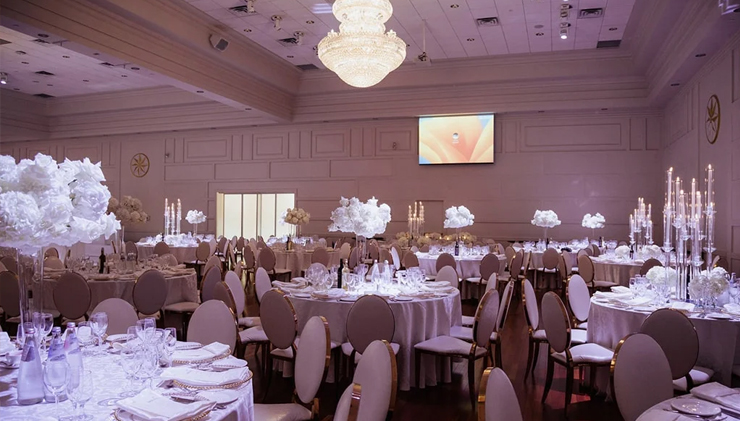

Mid-year is when most companies pause to reflect, realign, and recharge. Quarterly goals get reviewed, teams need a reset, and leadership starts planning for the second half of the year. That makes July one of the smartest windows on the corporate calendar to host an event — and it's exactly why venues offering an event space in Vaughan see a noticeable spike in bookings this month.
Why July Works Better Than You Think
Most companies default to booking events in spring or fall, assuming summer is "too quiet." In reality, July offers advantages that other months simply can't match.
- Less competition for prime dates. Fewer companies book in summer, which means more flexibility on timing and layout.
- Better availability for premium spaces. A sought-after banquet hall in Vaughan is far easier to secure in July than during the September–November rush.
- Higher employee morale. People are generally more relaxed in summer, which translates into better engagement at town halls, training sessions, and team events.
- Natural mid-year checkpoint. July sits right after Q2 wraps up, making it ideal for reviews, strategy sessions, and recognition events.
The Business Case for Mid-Year Events
A mid-year event isn't just a nice-to-have. It's a strategic tool.
1. Realign teams before the second half
Half the year is gone, and priorities often shift. An in-person event gives leadership a chance to communicate new goals clearly, instead of relying on scattered emails.
2. Boost retention before year-end fatigue sets in
Recognition events held mid-year — rather than only at year-end — help reduce burnout and remind employees their work matters.
3. Strengthen client relationships
Summer is a relaxed season for client appreciation events. People are more open to socializing outside of the usual high-pressure quarters.
4. Take advantage of daylight and weather
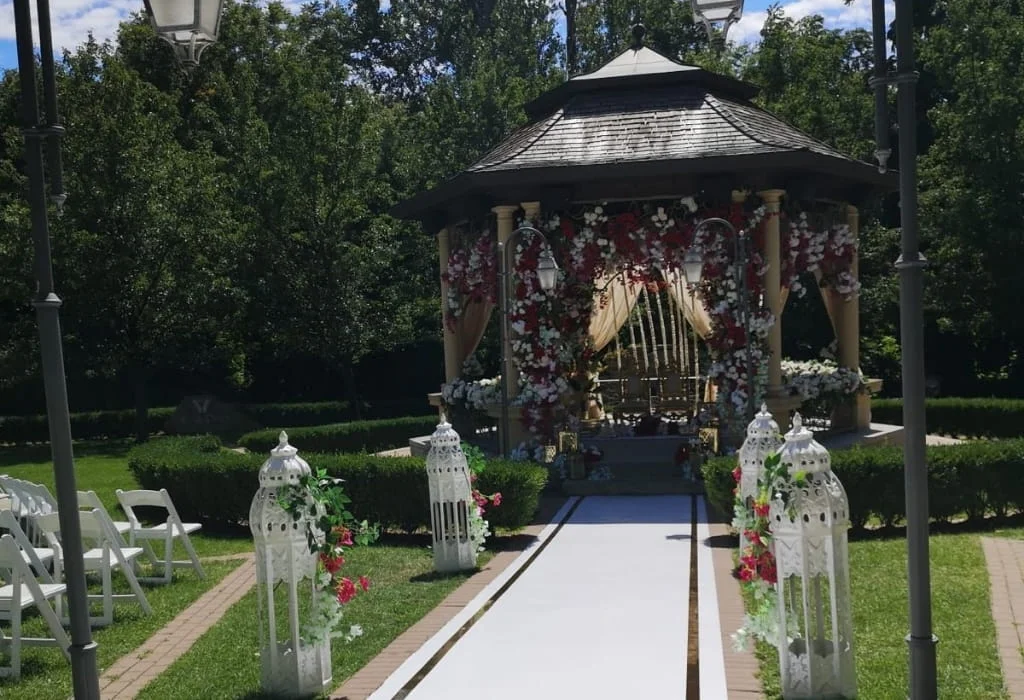
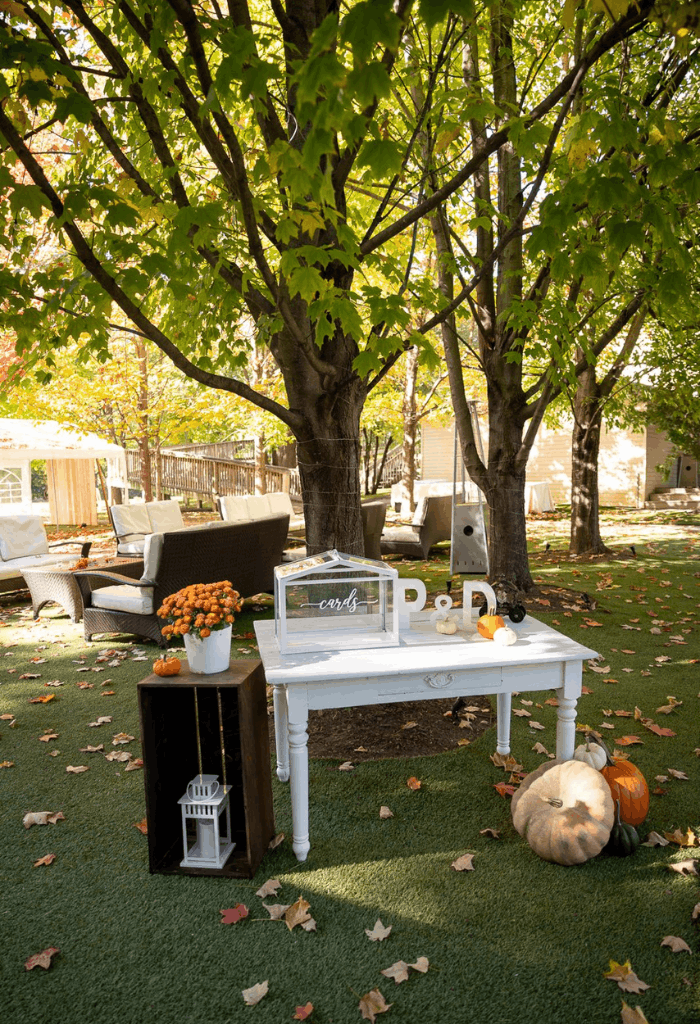
Longer days mean more flexibility for outdoor components — cocktail hours, photo sessions, or pre-event networking on a patio or lawn.
What to Look for in a Venue This Time of Year
Not every space is built to handle the specific needs of a summer event. Before booking, check for the following.
Climate Control That Actually Works
Summer heat can ruin an otherwise great event. A reliable indoor space with strong climate control keeps guests comfortable regardless of outdoor temperatures.
Natural Light and Outdoor Access
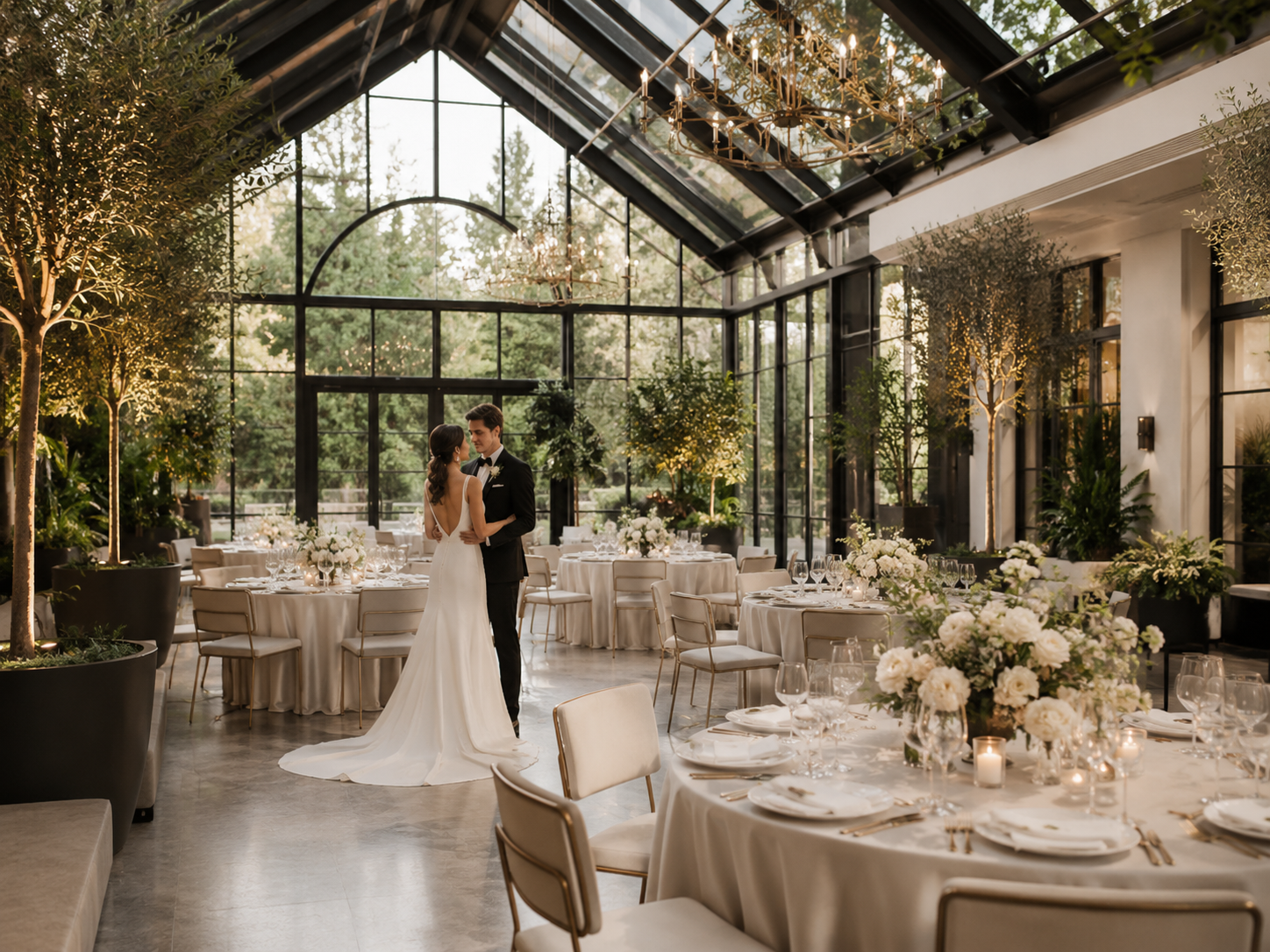
Venues with large windows or outdoor-adjacent areas make the most of summer's biggest advantage — daylight — without forcing the entire event outside.
Flexible Layouts
Mid-year events range from formal boardroom-style strategy sessions to casual networking mixers. The right space should adapt to both without feeling stiff or oversized.
Full-Service Catering
Summer menus tend to favor lighter, fresher options. A venue with in-house catering that can adjust seasonally saves you from coordinating multiple vendors.
On-Site Event Support
Corporate events run smoothly when there's a dedicated team handling AV, setup, and timing — not a single coordinator juggling everything.
Types of Mid-Year Corporate Events Worth Hosting
If you're not sure what format fits your goals, here are the most common (and effective) options companies choose in July.
- Mid-year town halls — leadership updates, Q&A sessions, goal realignment
- Employee appreciation events — recognition awards, casual mixers, milestone celebrations
- Client appreciation dinners — relationship-building in a low-pressure setting
- Strategic planning retreats — half-day or full-day sessions for leadership teams
- Product or service launch events — using summer's relaxed pace to generate buzz before fall's busier season
How Early Should You Book?
Even though July has more availability than peak fall months, popular dates — especially weekends and venues with strong reputations — still fill up. As a general rule:
- 6–8 weeks ahead for smaller internal events (under 50 people)
- 10–12 weeks ahead for larger events with catering, AV, and multiple breakout areas
- 3+ months ahead if your event falls near a long weekend or includes a guest speaker
Booking early also gives you more negotiating room on catering packages and add-ons.
Budget Considerations for Summer Events
Many planners assume summer events cost more because of the season's popularity for weddings. In practice, corporate bookings often benefit from:
- More flexible pricing on weekday dates
- Lower competition for preferred time slots
- Seasonal menu options that can be more cost-effective than winter catering
Always ask about weekday versus weekend pricing differences — the gap can be significant for corporate budgets.
Final Thoughts
July isn't just an open spot on the calendar — it's a genuinely strategic window for hosting events that realign teams, strengthen client relationships, and set the tone for a strong second half of the year. The right venue makes all the difference in execution.
That's where Ascott Parc Event Centre comes in. With flexible layouts, full-service catering, and a team that handles every detail with precision, Ascott Parc Event Centre is built for exactly the kind of mid-year events that move businesses forward. Don't wait for prime dates to disappear — reach out to Ascott Parc Event Centre today and lock in the perfect summer slot for your next corporate event.
Frequently Asked Questions
1. Is it actually cheaper to host a corporate event in summer?
It can be, especially on weekdays. Since fewer companies plan events in summer, venues often have more flexibility with pricing and packages compared to busy fall months.
2. How many people do I need for a corporate event to make sense?
There's no fixed number. Some companies host intimate sessions for 15–20 people, while others plan events for 200+. What matters more is choosing a space that fits your group size comfortably.
3. What's the difference between a town hall and a regular meeting?
A town hall is usually larger, more structured, and focused on communicating updates from leadership to the whole team, often with a Q&A. A regular meeting tends to be smaller and more task-focused.
4. Do I need outdoor space for a summer event, or is indoor fine?
Indoor is completely fine. Many companies prefer climate-controlled indoor spaces for comfort and reliability, while using outdoor areas only for short add-ons like a welcome reception.
5. How far in advance should I really book if I want a good date?
Generally 2–3 months ahead gives you the best mix of availability and planning time, though smaller events can sometimes be arranged with less notice.