
Your wedding day deserves more than one day.
The most common thing couples say after their wedding? That it went by too fast. Hours of planning, months of anticipation — and then it is over before you had a chance to breathe it all in. A multi-day wedding weekend is the answer to that. Not just more time, but a richer, more intentional experience — for you and for every guest who showed up to witness it.
What Is a Multi-Day Wedding Weekend?
A wedding weekend is a structured celebration spread across two to four days — typically beginning with a welcome event on Friday evening, continuing through the ceremony and reception on Saturday, and closing with a farewell brunch on Sunday.
It is not simply a longer party. It is a curated journey.
Each event has its own mood, its own pace, and its own purpose. Together, they create a cohesive experience that guests will talk about long after they drive home.
Why Couples Are Choosing This Format in 2026
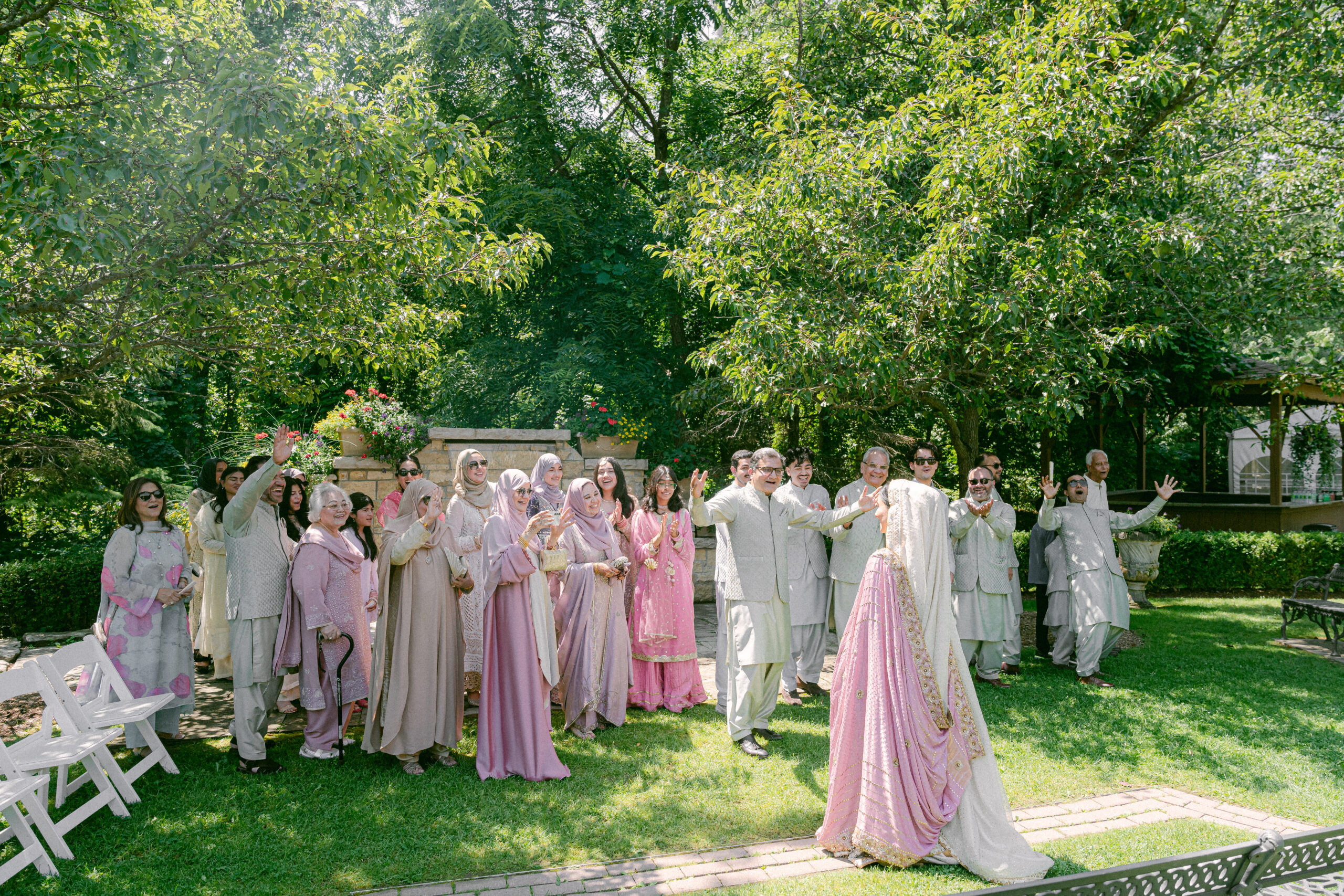
The shift is real and it is accelerating. Modern luxury is no longer defined by excess — it is defined by intention. Couples are moving away from one-day spectacles and toward celebrations that genuinely reflect who they are.
Here is what is driving that shift:
- Connection time — A single-day reception gives you roughly six hours with the people who matter most. A weekend gives you three days of real, unhurried moments.
- Value per experience — When guests are traveling to be with you, a three-day weekend honours that commitment far more than a four-hour reception.
- Storytelling through design — Each event — welcome dinner, ceremony, brunch — can carry its own visual identity while following one overarching aesthetic thread.
- Reduced-day pressure — When the celebration is spread across multiple events, the wedding day itself feels less frantic. You are present, not performing.
Building Your Multi-Day Timeline
Friday Evening: The Welcome Event
This is where the tone is set. A welcome dinner or cocktail gathering — intimate, relaxed, elegant — signals to guests that this weekend is going to be different.
Keep it curated. Seated dinners work beautifully for smaller guest counts. For larger groups, a garden cocktail reception with grazing stations and a signature drink landing well. The goal is warmth, not formality.
Saturday: The Main Celebration
This is your ceremony, cocktail hour, and reception — the heart of the weekend. Because guests are already immersed in the celebration's rhythm from the evening before, the energy on Saturday feels less rushed and far more connected.
Use this day to go full on your vision. Grand ceremony space, sculptural florals, a choreographed reception flow — Saturday holds the weight of all of it.
Sunday: The Farewell Brunch
Do not underestimate the farewell brunch. It is often the most emotionally resonant moment of the entire weekend.
Late morning, relaxed setting, natural light, good food, and a room full of people who have spent 48 hours celebrating together — the brunch is where real conversations happen. Many couples say it is the only time they actually sat and talked.
How to Choose the Right Venue for a Wedding Weekend
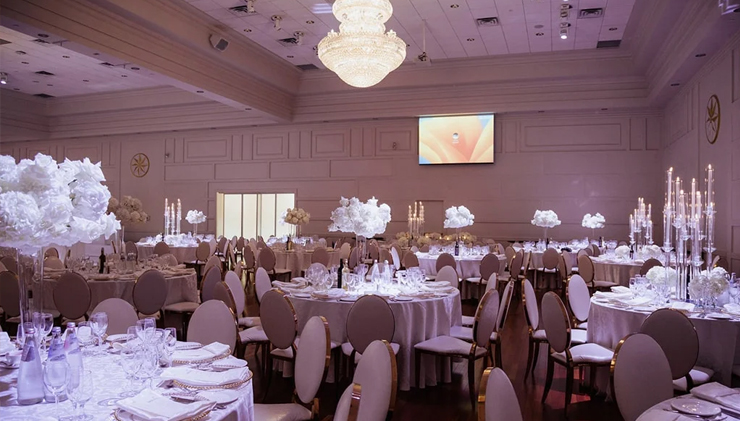
The venue is not a backdrop. It is the foundation on which the entire experience is built. A venue that works for a multi-day celebration needs to offer more than a beautiful ballroom.
Look for These Essentials
- Spatial variety — You need distinct areas for distinct events. If every gathering happens in the same room with different tablecloths, the weekend feels flat.
- Unpartitioned privacy — Shared banquet-style venues that split spaces between multiple events are not built for this format. You need exclusive, seamless access.
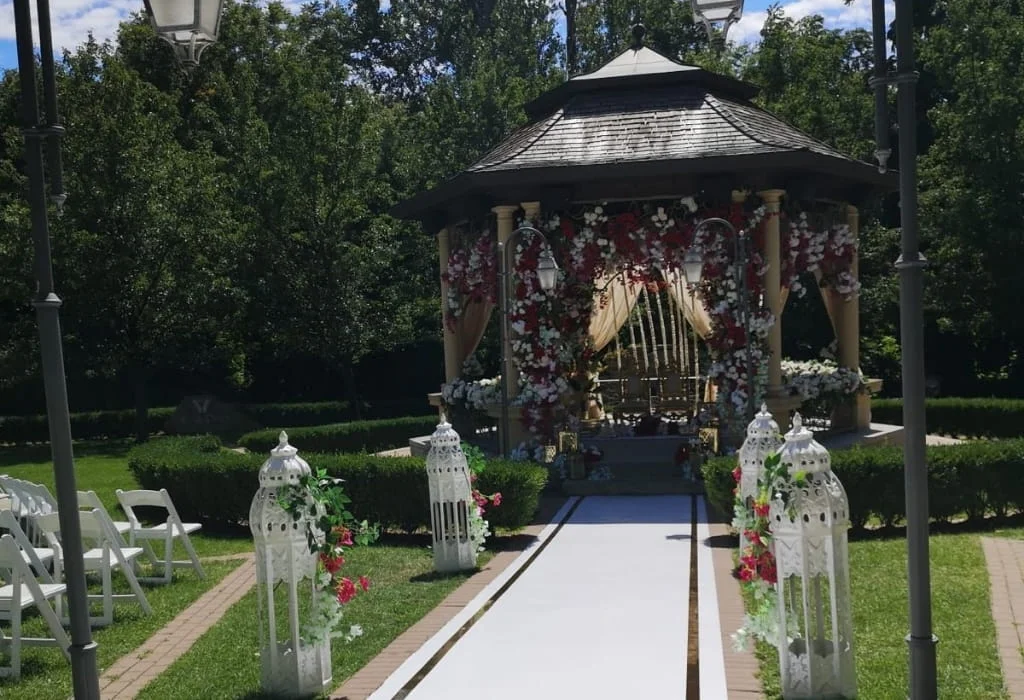
- Indoor-outdoor flow — Nature is one of the most powerful design elements available to you. A venue that connects guests to landscaped gardens or conservation land across the weekend creates a continuity that purely indoor spaces cannot replicate.
- In-house culinary capability — Multiple meals across multiple days require a kitchen and service team that can execute at the same standard every time.
- Proximity without remoteness — The ideal wedding weekend venue is accessible from a major city but set apart enough to feel like a retreat.
Among the wedding venues in Vaughan, Ontario, the ones that consistently rise to the top for multi-day celebrations are those that offer architectural elegance, private grounds, and a service infrastructure built for full-weekend hosting — not just Saturday evenings.
Designing the Guest Experience Across All Three Days
Pace Is Everything
Do not fill every hour. Leave white space. A 20-minute break between events gives guests time to rest, connect informally, and arrive at the next moment genuinely present — not exhausted.
Cohesion Without Repetition
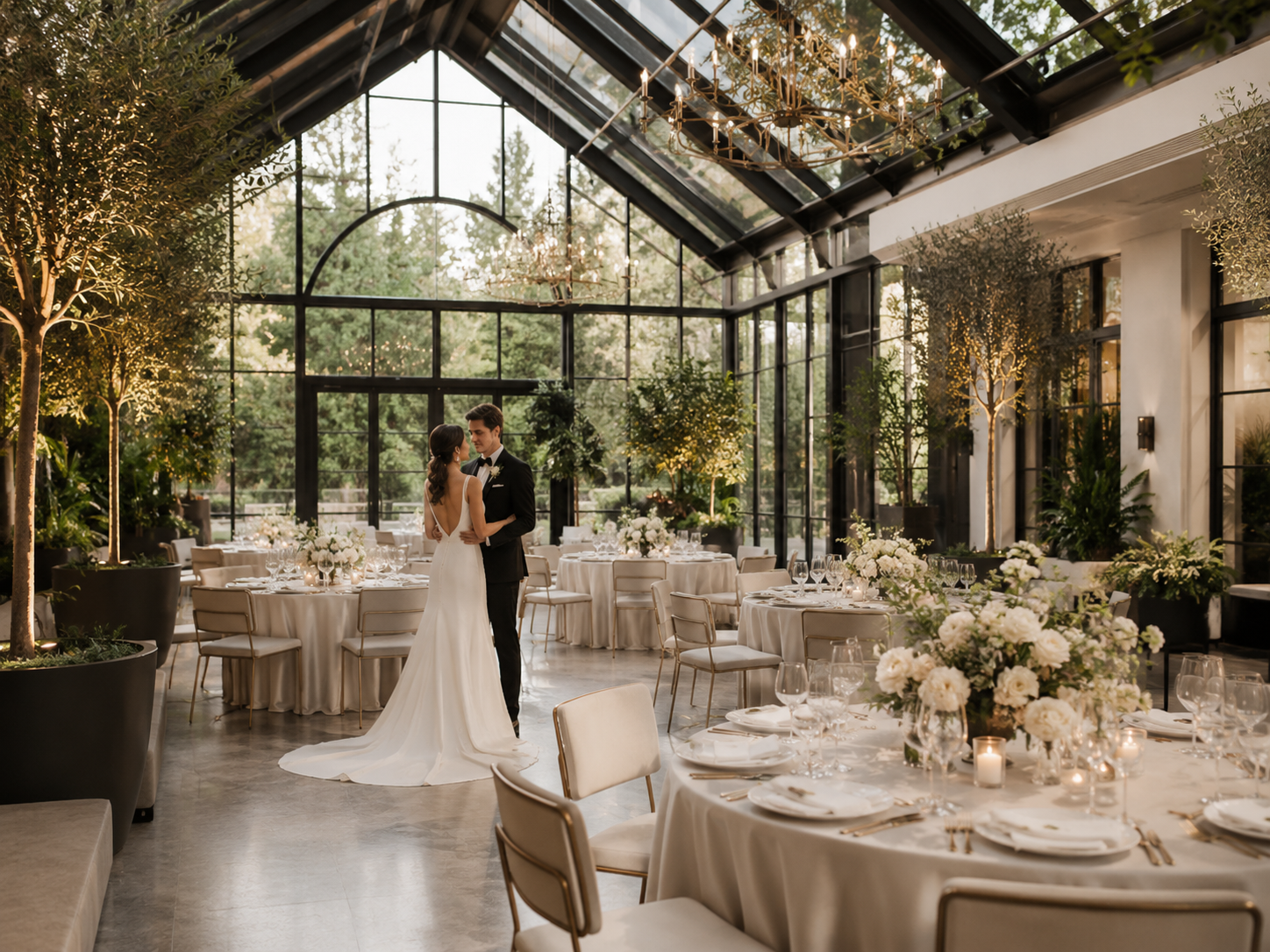
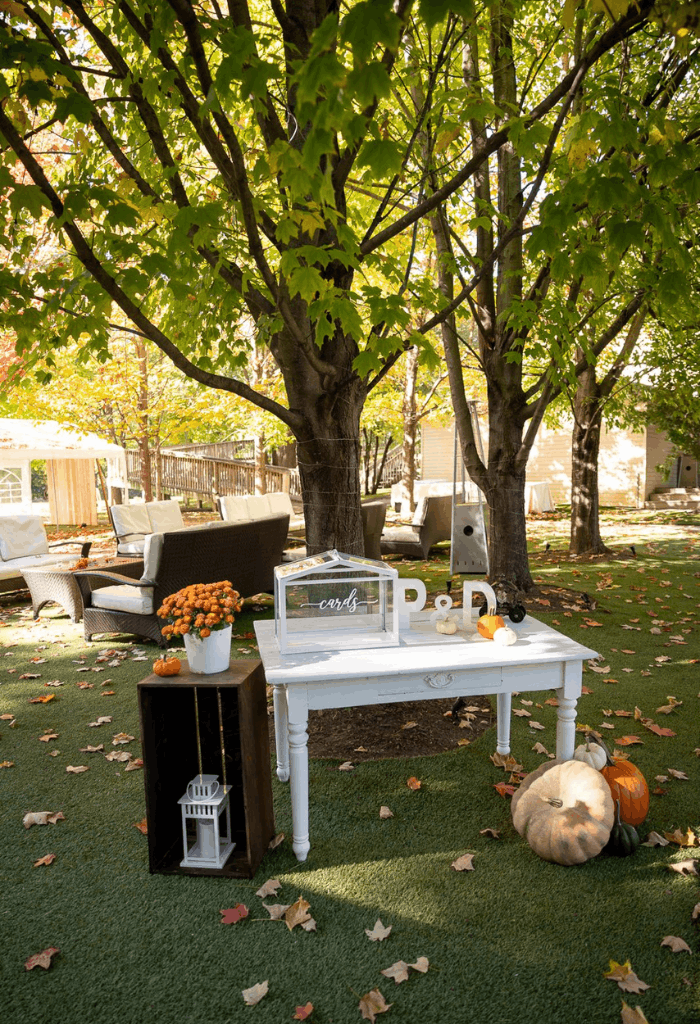
Each event should feel distinct yet connected. A welcome dinner in a garden setting, a ceremony beneath a greenhouse canopy, a brunch in a sun-filled hall — different moods, one visual language.
Communication Is Non-Negotiable
Send guests a clear weekend itinerary well in advance. Include timings, dress codes for each event, transport notes, and accommodation information. When guests feel informed, they relax — and a relaxed guest is a present guest.
Budgeting for a Multi-Day Wedding
Multi-day weddings typically run 15 to 30 percent higher than a single-day event of comparable size. But the cost-per-experience ratio is substantially lower — you are getting three meaningful events, not one.
Key budget areas to plan for:
- Welcome event catering and decor
- Extended venue access fees
- Additional floral and lighting design for multiple spaces
- Farewell brunch catering
- Guest logistics — shuttle coordination, hotel room blocks, printed itineraries
Work with your venue team early on. Many wedding and banquet halls in Vaughan offer multi-event packages that consolidate costs and simplify coordination across the full weekend.
Working With a Planner for a Multi-Day Event
This is non-negotiable for a wedding weekend. A planner who specialises in multi-day events manages the extended vendor timelines, staff rotations, setup and teardown logistics, and the moment-to-moment flow that keeps the weekend from feeling like a production run.
You should not be coordinating anything on your wedding weekend. The right venue and planning team ensures you are a guest at your own celebration.
The Right Venue Makes All the Difference
A multi-day wedding weekend is only as strong as the space that holds it. The architecture, the grounds, the culinary team, the service philosophy — all of it shapes how the weekend feels from Friday evening to Sunday morning.
Ascott Parc Event Centre in Vaughan is designed precisely for this kind of celebration. Set within conservation lands with greenhouse architecture, multiple distinct event spaces, and a hospitality team that manages every detail so you do not have to, it is one of the few wedding venues in Vaughan, Ontario genuinely built for immersive, multi-day weddings at a luxury standard.
If you are ready to plan a weekend your guests will still be talking about years from now — schedule a private tour at Ascott Parc Event Centre today.
FAQs
Q: How many guests is a wedding weekend ideal for?
Wedding weekends work beautifully across a wide range. Intimate celebrations of 50 to 80 guests feel deeply personal across multiple events. Larger celebrations of 150 to 300 guests benefit from the spatial spread — different events can occupy different areas of the venue, preventing the crowd fatigue that single-day mega-receptions often create.
Q: Do we need to host every guest at every event?
No. It is entirely acceptable — and common — to invite your full guest list to the ceremony and reception while keeping the welcome dinner and farewell brunch to a smaller inner circle. The tiered approach actually enhances both events: the welcome dinner feels intimate, and the farewell brunch feels personal.
Q: Who pays for the welcome dinner and farewell brunch?
The couple traditionally covers the main reception, welcome event, and farewell brunch. Activities or off-site experiences — a spa morning, a group outing — are often guest-pay. Be transparent about this in your itinerary so guests can plan accordingly.
Q: How far in advance should we book a venue for a multi-day wedding?
12 to 18 months in advance is the standard recommendation. For peak-season dates — late spring through early autumn in Ontario — the best venues fill up quickly. Multi-day bookings, which require extended exclusive access, are in especially high demand, so earlier is always better.
Q: What is the biggest mistake couples make with wedding weekends?
Overscheduling. The instinct is to fill every moment, but the most memorable multi-day weddings have breathing room built in. The conversations that happen between events — over a late-night coffee, on a garden walk before brunch — are often what guests remember most.