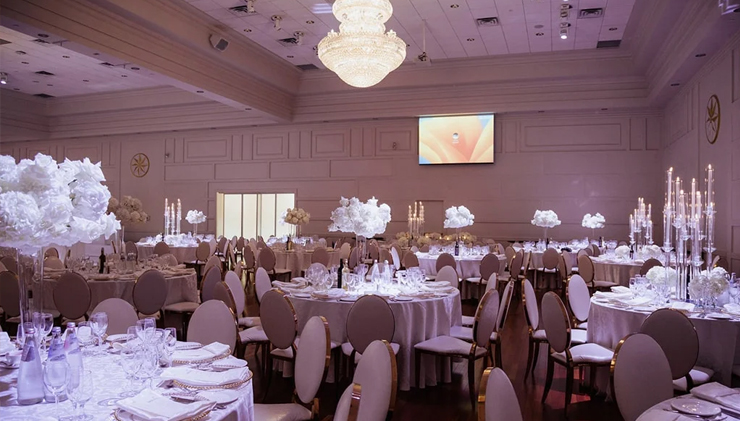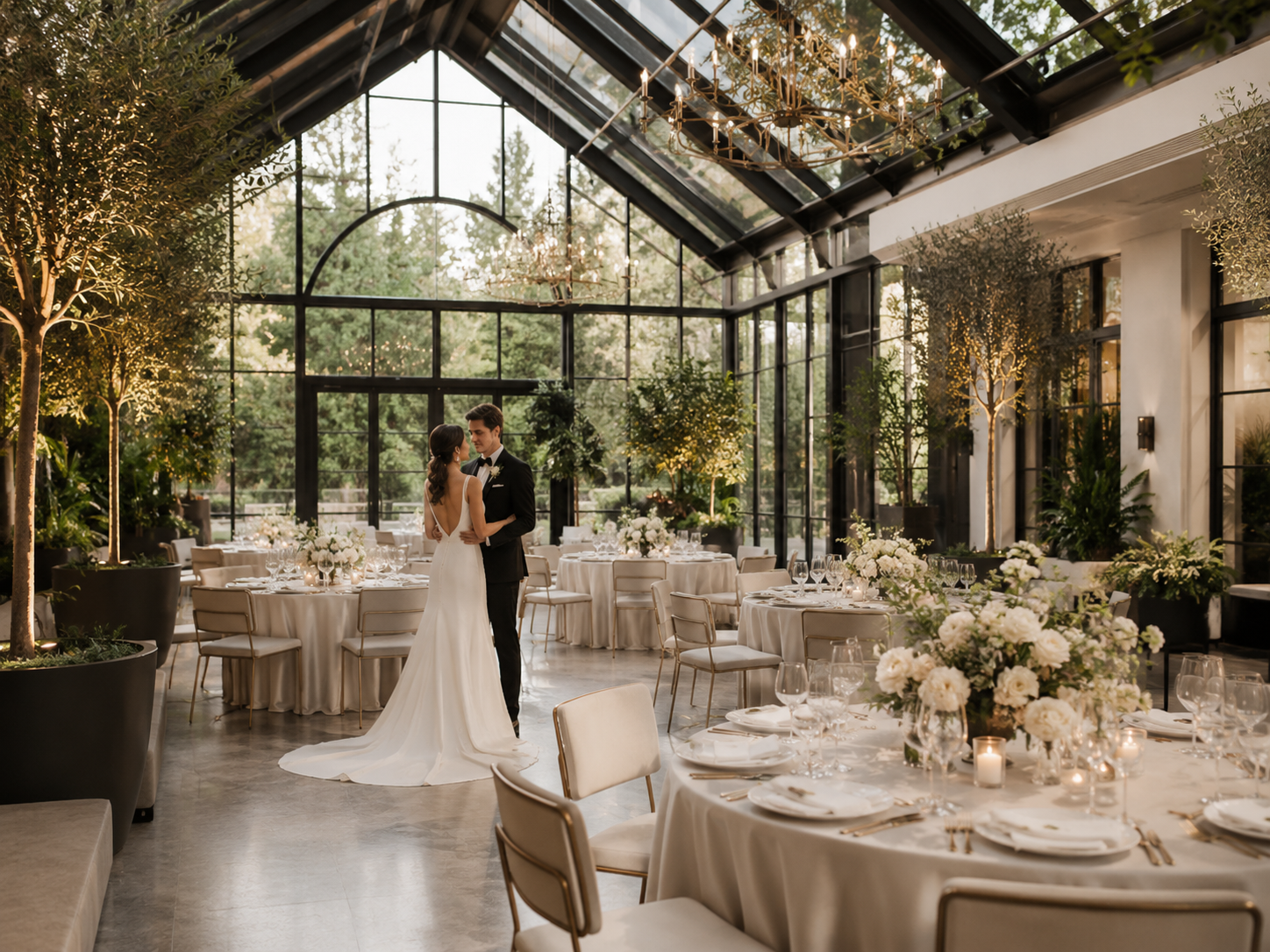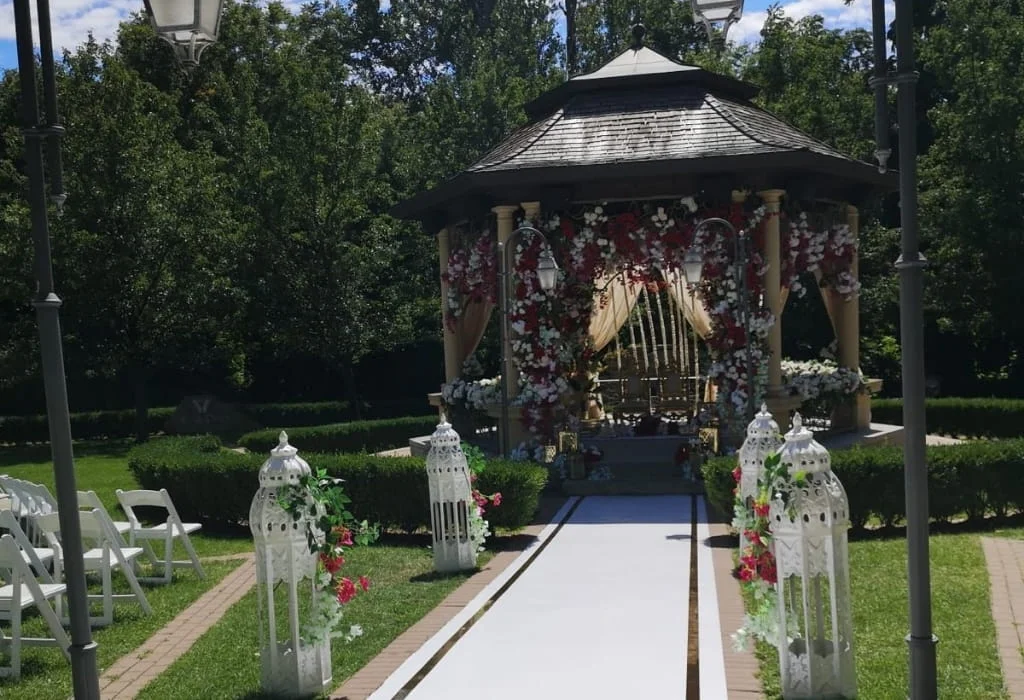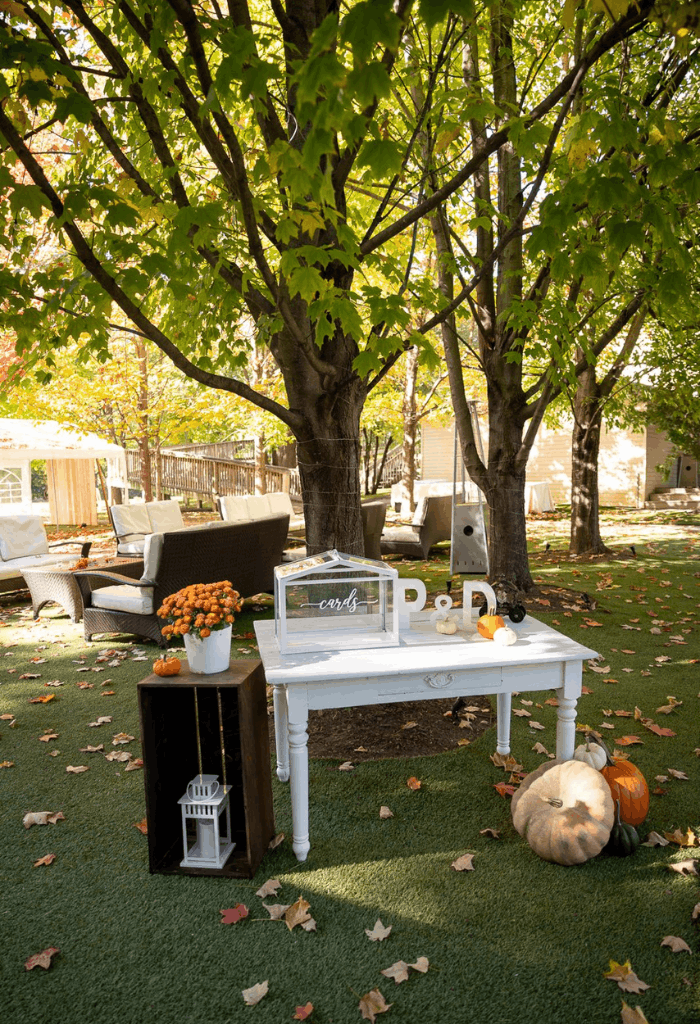

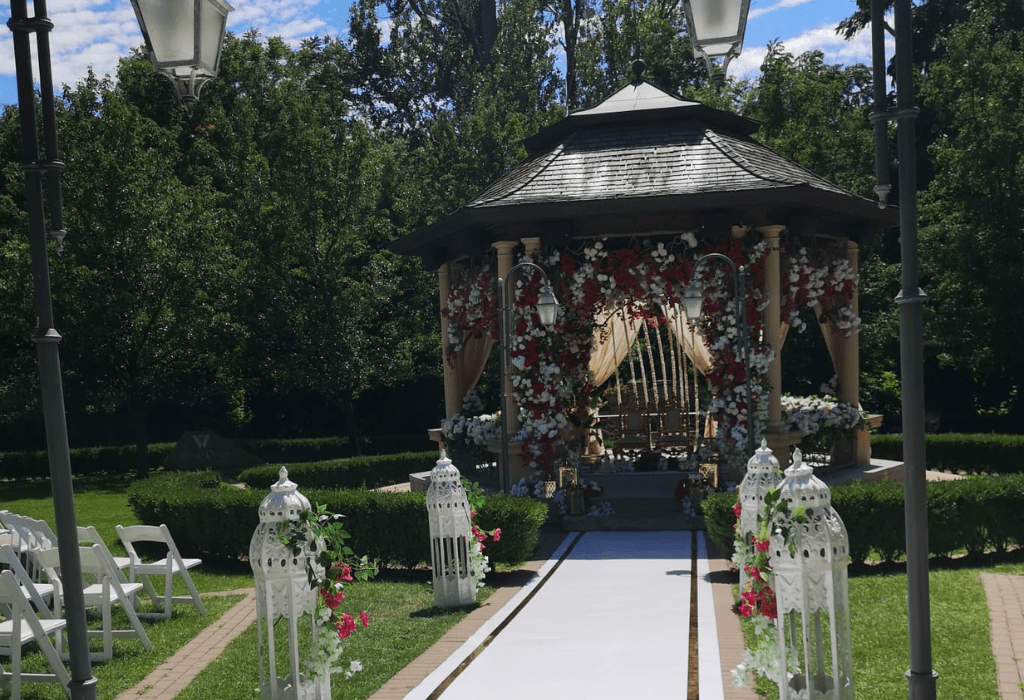
A great venue disappears into the background of a great celebration. No one remembers the floor plan — they remember how the evening felt, how easily it moved from cocktails to dinner to dancing, and how personal it all seemed despite the crowd.
A private estate event centre makes that possible in a way most conventional halls can't. It combines privacy, adaptable spaces, and natural surroundings with the practical backbone — indoor backup, easy parking, flexible catering — that lets an event feel unmistakably yours rather than borrowed for the night.
What Is a Private Estate Event Venue?
A private estate event venue is, at its core, a substantial private property built or adapted for hosting celebrations away from the noise of a commercial event district. Gardens, indoor reception rooms, landscaped grounds, patios, and courtyards typically work in concert, giving hosts several settings to draw on across a single evening rather than one room stretched to serve every purpose.
How Is It Different From a Standard Event Hall?
The distinction is less about size and more about character. Compared to a conventional hall, an estate property typically offers:
- A far greater sense of seclusion and privacy
- Genuine outdoor space, not a token patio
- Several distinct areas within one property
- Real indoor-outdoor celebration flow
- An atmosphere that feels destination-worthy rather than transactional
Worth noting: the word "estate" gets borrowed loosely across the industry. Two venues can share the label and feel entirely different once you're standing on the grounds. It rewards a closer look — actual space, actual privacy, actual service standards — rather than taking the name at face value.
Why Does Privacy Matter for a Social Event?
Privacy is what gives a host control over the atmosphere of their own celebration. It keeps the room's energy intact, free from the interruptions and crossed paths that come with sharing a property, and it's often what separates a gathering that feels personal from one that merely feels booked.
What Should "Private" Actually Mean?
The term deserves scrutiny before you sign anything. It's worth asking:
- Will another event run on the property at the same time?
- Is the garden reserved exclusively for your booking?
- Are entrances and common areas shared with other guests?
- Could music from another function carry into yours?
True privacy runs deeper than a locked gate. It shapes how comfortable speeches feel, how clean your photographs look without strangers drifting through the frame, and how freely a family can lean into its own traditions without an audience.
Why Multiple Event Spaces Make a Real Difference
A well-run social event rarely stays in one room all evening. Guests move through a natural arc — arrival, cocktails in the garden, dinner, speeches, entertainment, dancing — and each stage tends to land better in a space designed for it, rather than one room asked to do everything at once.
Across a private estate social gathering, different areas typically carry different moments:
- Welcome drinks and family photographs on arrival
- A proper dining setting for the meal itself
- A dedicated moment for cake cutting and speeches
- Quieter corners where older guests can sit and talk
- Open floor space once the evening turns toward dancing
The real value of an estate property isn't simply more space. It's the ability to use that space differently as the celebration itself evolves — something a single fixed hall was never built to do.
What Social Events Work Well at a Private Estate Venue?
Milestone Birthdays
From a 30th to a 70th, these venues comfortably handle the blend of dining, entertainment, and photography that multi-generational guest lists tend to demand.
Anniversary Celebrations
Formal dinner, family gathering, garden photography, and speeches all sit within one property, without shuttling guests between locations.
Engagement Parties
Cocktail-style layouts paired with outdoor space give two families room to meet properly, without the cramped feel of a smaller venue.
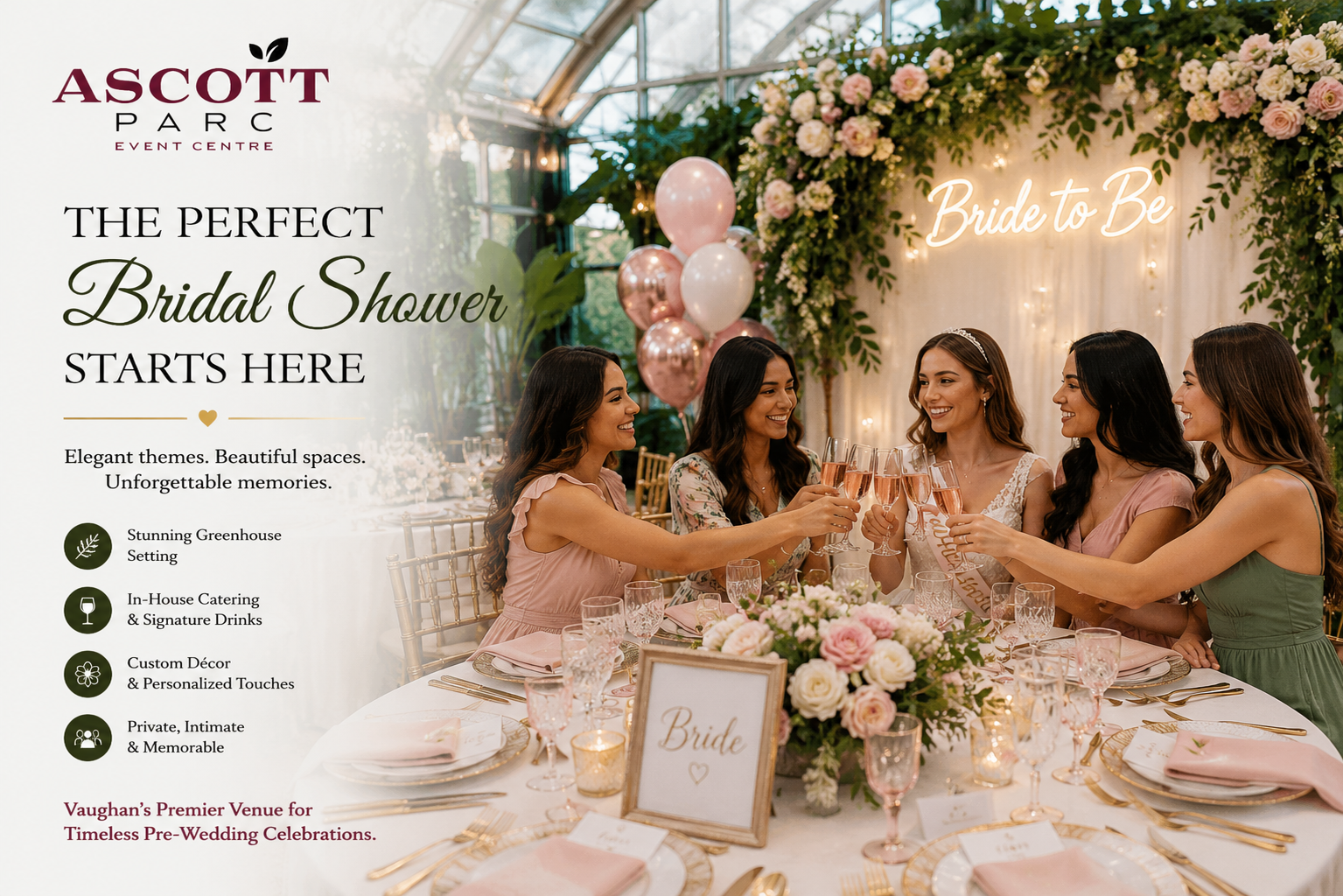
Bridal and Baby Showers
Daytime celebrations benefit especially from natural light and garden settings, well suited to smaller guest lists and a brunch or luncheon format.
Family and Cultural Celebrations
Larger families often need flexible seating, customized menus, and space for different traditions to unfold in parallel — something an estate's varied rooms accommodate far more naturally than a single hall ever could.
Why Gardens and Outdoor Areas Add Value
Outdoor space keeps a social event from feeling confined. It gives guests somewhere to talk, take photographs, or hold a drink outside the main room, and mature landscaping does quiet visual work that would otherwise fall to a decor budget.
That said, a garden should never be the entire plan. Before committing to an outdoor-heavy layout, it's worth asking:
- What happens if it rains?
- Can the full event move indoors without losing capacity?
- Is there covered outdoor space as a middle ground?
- Do the outdoor areas stay usable once the sun goes down?
Why Indoor-Outdoor Flow Matters More Than People Expect
Flow matters because guests should never have to think about how to get from one part of the evening to the next. Short distances, clear pathways, and obvious entrances sound like small details — until they're missing, at which point they become the thing people remember about the night.
Poor flow tends to surface in ways that are easy to overlook while touring a venue on a quiet afternoon:
- Guests drifting apart from their group between areas
- A long walk between the garden and the dining room
- An awkward scramble indoors the moment weather turns
- Congestion near washrooms or entrances during transitions
None of it derails an event outright. Together, though, it's the difference between an evening that feels effortless and one that quietly feels like work.
Private Estate Venue vs Banquet Hall: Which Is Better?
| Factor | Private Estate Venue | Traditional Banquet Hall |
| Privacy | Often higher | Depends on venue |
| Outdoor space | Common | Often limited |
| Multiple event areas | Often available | Varies |
| Atmosphere | Destination-like | More conventional |
| Layout flexibility | Often higher | Depends on room |
A banquet hall still has its place for a simple, purely indoor celebration. A private estate tends to pull ahead when privacy, outdoor surroundings, several distinct spaces, and a genuinely personal guest experience matter more than convenience alone.
How Much Space Do You Actually Need?
Maximum capacity is rarely the number that matters. It's worth asking about usable capacity instead — what's actually left once a dance floor, stage, or full dining setup is factored in.
- An intimate dinner calls for a smaller private room
- A cocktail-style event needs open space to mingle
- A birthday party needs dining plus room to dance
- An indoor-outdoor celebration needs a main room that connects naturally to the grounds outside, not one merely adjacent to them
Why Parking and Accessibility Deserve Early Attention
Social events tend to draw guests from well beyond the immediate neighbourhood, so easy, close parking has more influence over the evening than most hosts expect going in — particularly for older guests, families with young children, and events that run past dark.
Accessibility deserves the same consideration:
- Step-free access and accessible washrooms
- Parking positioned close to the entrance, not a distant lot
- Comfortable seating and easy garden access throughout
- Climate-controlled indoor spaces for guests who can't manage the outdoors comfortably
A venue that's been thought through properly works for the least mobile guest at the party, not only the most active one.
What Should You Ask Before Booking?
A short list of questions tends to reveal more than the tour itself:
- Is the property exclusive to our event, or could another function run alongside ours?
- What happens if it rains, and does the indoor space match our outdoor capacity?
- Is parking on-site and complimentary, and how close is it to the entrance?
- Are catering and bar service included, and can menus be customized?
- What are the noise restrictions, and how late can the celebration run?
- Is setup and cleanup time already built into the booking?
Are Private Estate Venues Suitable Year-Round?
They can be, provided the property was genuinely built for more than one season.
- Spring calls for rain backup and covered outdoor space
- Summer needs reliable shade and air conditioning
- Fall benefits from thoughtful outdoor lighting as evenings draw in earlier
- Winter puts the property's indoor character to the real test, through climate control, safe pathways, and rooms with natural light and garden views
The standard stays the same across every season: the atmosphere shouldn't feel like a compromise just because the weather changed.
Why Location Matters When Choosing a Private Event Venue
Travel time quietly shapes attendance more than most hosts anticipate. Easy highway access, ample on-site parking, and a sensible distance from Toronto all matter for guests arriving from across the GTA. It's part of why an estate venue with gardens in Vaughan, Ontario consistently appears in searches from hosts across York Region and beyond — the location strikes a rare balance between easy accessibility and the space a truly private setting requires.
Final Takeaway: What Really Makes a Private Estate Venue Work?
A private estate venue earns its reputation for social events when it delivers more than attractive surroundings. The combination that actually matters is privacy, flexible spaces, indoor-outdoor flow, weather backup, exceptional food, effortless parking, and comfortable guest access — working together, not in isolation.
Ascott Parc brings that combination to life as a private estate event centre built for everything from an intimate anniversary dinner to a milestone birthday or a full family celebration. Book a walkthrough and experience why so many hosts choose to celebrate here instead of settling for an ordinary hall.
Frequently Asked Questions
1. What types of social events can be held at a private estate venue?
Private estate venues can suit birthdays, anniversaries, engagement parties, showers, family gatherings, cultural celebrations, and other private events. The best fit depends on capacity, layout, catering, and entertainment options.
2. Is a private estate better than a banquet hall?
It depends on the type of event you want. An estate venue may offer greater privacy, gardens, and indoor-outdoor flexibility, while a banquet hall may be better for a straightforward indoor celebration.
3. Are private estate venues suitable for large gatherings?
Yes, provided the venue has enough seated capacity, parking, washrooms, catering infrastructure, and indoor backup space. Always ask about capacity after adding dining tables, a dance floor, and entertainment.
4. What should I check before booking an estate venue?
Check privacy, capacity, parking, accessibility, catering, weather backup, entertainment rules, and which areas are included in the rental. These practical details matter more than appearance alone.
5. Can private estate venues host events in winter?
Yes, if they have heated indoor spaces and safe guest access. Venues with large windows, landscaped views, or connected indoor-outdoor areas can still maintain a nature-inspired atmosphere during colder months.