

A full-day corporate seminar is one of the most demanding events a business can host. It asks for hours of sustained attention, careful coordination and a setting that keeps guests comfortable from the first coffee to the final handshake. When planning is thoughtful, the day feels seamless. When it is rushed, attendees notice within the first hour. For companies across Vaughan and the wider Greater Toronto Area, the path to a polished event follows a clear sequence.
Begin With One Measurable Purpose
Every decision that follows, from speakers to seating, depends on what the seminar is meant to achieve. Write the goal as a single sentence before anything else is booked.
Three questions bring instant clarity:
- What should attendees know, decide or do differently afterwards?
- Who is the audience: leadership, clients, partners or staff?
- How will you measure whether the day worked?
A seminar with a defined outcome stays focused, and it is far easier to justify to stakeholders.
Set the Budget With Room to Breathe
Venue hire and catering usually take the largest share of a seminar budget, so settle these figures first. The remaining spend typically covers:
- Audio-visual equipment and technical support
- Speakers, facilitators and travel
- Printed materials, branding and signage
- Photography or recording
- Parking and guest services
Hold back 10 to 15 percent as a contingency. Extra chairs, a late speaker or upgraded equipment are common additions, and a small reserve keeps them from becoming stressful.
Work Backwards From the Event Date
A clear timeline removes last-minute pressure and gives suppliers the notice they need.
- 12 to 16 weeks out: Confirm the objective, budget and venue
- 8 to 10 weeks out: Finalise speakers and agenda, then send a save-the-date
- 4 to 6 weeks out: Open registration and confirm catering
- 1 to 2 weeks out: Lock the headcount, brief speakers and prepare the run sheet
Spring and autumn are popular seasons for business events, so earlier booking secures better dates.
Choose a Corporate Seminar Venue That Works as Hard as Your Agenda
The right corporate seminar venue does far more than provide chairs and a screen. It shapes how alert, comfortable and engaged your guests stay through the afternoon.
Look for a space that offers:
- Flexible layouts such as theatre, classroom, boardroom or banquet
- Dependable Wi-Fi and built-in audio-visual support
- Natural light and reliable temperature control
- Breakout areas for workshops and networking
- Accessible entrances and facilities
- Ample, convenient parking
Visit in person before signing, and ask to see the room arranged exactly as your event requires. Photographs rarely reveal how a space feels at 3 PM.
Why a Corporate Estate Venue Changes the Atmosphere
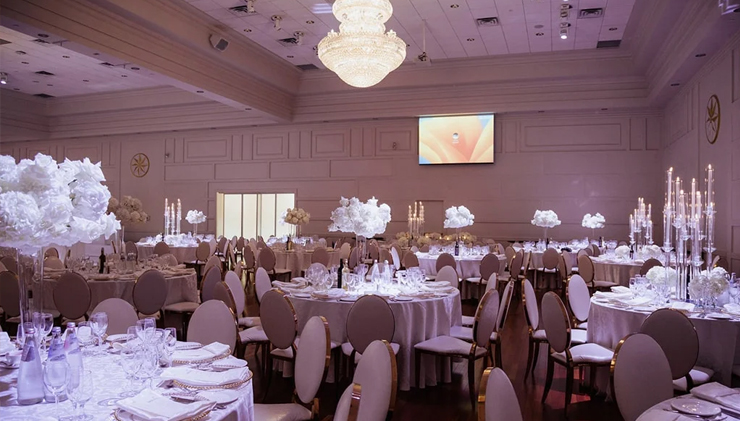
A corporate estate venue brings a sense of occasion that a standard conference room rarely achieves. The private setting, architectural character and generous space tell guests the day has been considered with care.
The benefits go beyond appearance:
- Fewer office distractions, so attention stays on the content
- Separate zones for sessions, meals and networking
- A stronger impression on clients and senior guests
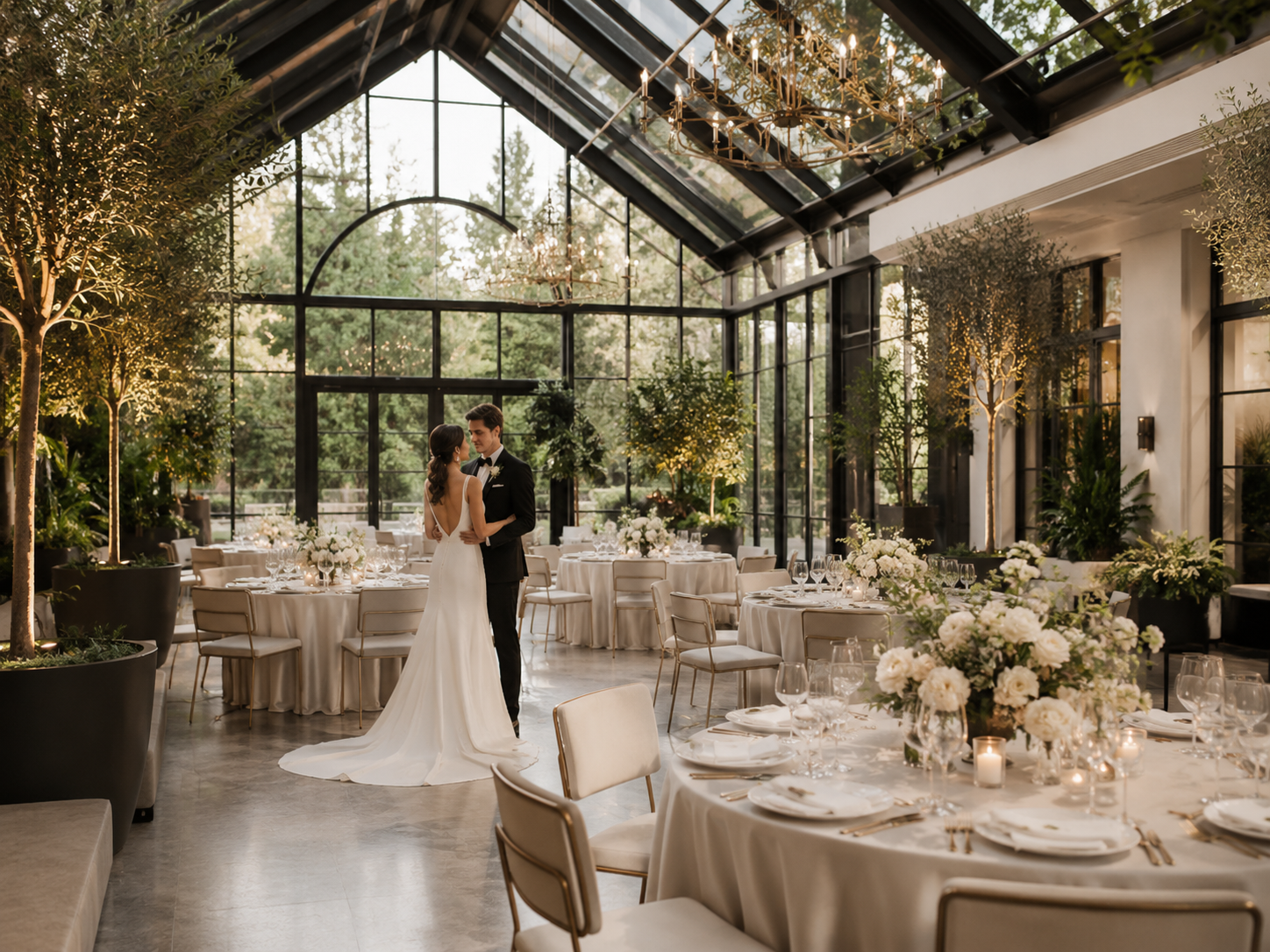
Greenhouse-style interiors suit long sessions especially well. Abundant daylight and greenery keep a room feeling fresh from morning to evening, which quietly supports concentration.
Shape the Agenda Around Energy
Attention naturally peaks in the morning and dips after lunch. A well-paced day respects that rhythm rather than fighting it.
- 8:00 AM: Registration and breakfast
- 9:00 AM: Welcome and keynote
- 10:15 AM: Networking break
- 10:45 AM: Panel or workshop session
- 12:00 PM: Lunch and conversation
- 1:00 PM: Interactive session
- 2:30 PM: Refreshment break
- 2:45 PM: Breakout groups
- 3:45 PM: Closing remarks and action points
Keep individual talks under 45 minutes, and build 15-minute buffers into the schedule, because timings always drift.
Let Catering Sustain the Room
Food shapes mood and concentration more than most planners expect. A light breakfast, a balanced lunch and a small afternoon refresh prevent the post-lunch slump.
- Morning: Fresh fruit, pastries, quality coffee and tea
- Lunch: Balanced dishes that avoid heaviness
- Afternoon: Nuts, fruit or light bites
Collect dietary needs at registration, including vegetarian, vegan, halal, gluten-free and allergy requirements.
Keep Technology Invisible
When technology works, nobody notices it. When it fails, nobody forgets it. Test everything the day before and keep a technician on-site throughout.
- Screens or projectors visible from every seat
- Wireless microphones and a presentation clicker
- A backup laptop with every presentation loaded
- Wi-Fi capacity for the full guest count
- Charging points and a live-stream setup for remote attendees
Design the Guest Experience From Arrival
First impressions form before anyone reaches the registration desk. Send arrival instructions and parking details a week ahead, use clear directional signage, and staff a welcome desk with name badges ready. A quiet room for calls and a coat check add a thoughtful touch.
Parking deserves particular attention. Guests who circle for a space arrive flustered, and that mood carries into the first session. Underground parking removes the friction entirely and shelters guests from snow, rain and summer heat, which matters in Ontario's climate.
Mistakes Worth Avoiding
Even well-funded seminars stumble on familiar errors:
- Packing the agenda with no breathing room
- Relying on presentations with no interaction
- Underestimating setup and sound-check time
- Overlooking arrival flow and parking capacity
- Ending the event with no follow-up plan
Follow Up Within 48 Hours
The true value of a seminar is realised in the days after it ends. Within two days:
- Send a thank-you message with slides and key takeaways
- Share a short feedback survey
- Circulate action items with named owners and deadlines
- Review attendance and feedback against the original goal
That final step turns one successful event into a stronger next one.
Final Thoughts
A successful seminar rests on clear purpose, disciplined timing and a setting that respects your guests' time and comfort. When those elements align, the day feels effortless for everyone in the room.
Ascott Parc Event Centre is a greenhouse-style corporate estate venue in Vaughan, created for business gatherings that call for elegance and ease. With light-filled interiors and convenient underground parking, your guests arrive relaxed and stay engaged from the first session to the last. Book a private venue tour today and secure your preferred seminar date before it is taken.
Frequently Asked Questions
1. How early should I book a venue for a corporate seminar?
Ideally three to four months ahead. Popular weekday dates, especially in spring and autumn, fill up quickly. Booking early also gives you more choice of layouts and more time to plan food and speakers.
2. How long should a full-day seminar be?
Most run seven to eight hours, including registration, meals and breaks. People stay sharper when the day mixes talks, discussions and short breaks, rather than long stretches of continuous presentations.
3. How much does it cost to host a corporate seminar?
It depends on guest count, venue, food, equipment and speakers. Venue and catering are usually the biggest expenses. Ask for a written quote that lists every inclusion so there are no surprise charges later.
4. How much space do I need for my guests?
It depends on the seating style. Theatre-style seating needs roughly 10 to 12 square feet per person, while classroom-style with tables needs around 18 to 25. Always allow extra room for registration, refreshments and walking space.
5. How do I keep people engaged during a long seminar?
Keep talks short, add questions and group activities, and schedule a break every 60 to 90 minutes. Serve light food, keep the room comfortable, and place interactive sessions after lunch, when energy naturally dips.