
A vintage garden wedding is one of the most romantic styles a couple can choose. Soft greenery, warm light, and timeless details create a mood that feels both nostalgic and refined. But there's a fine line between "elegant vintage" and "cluttered flea market."
The secret isn't adding more. It's choosing less, with intention.
This guide breaks down exactly how to plan a vintage garden wedding that feels curated, not crowded — using real design principles, not just Pinterest inspiration.
What Makes a Garden Wedding Feel "Vintage" in the First Place
Vintage doesn't mean old. It means intentional and era-inspired.
Think of it as borrowing details from a specific time period — often the 1920s, 1950s, or English countryside aesthetics — and blending them with natural, organic surroundings.
Core elements of vintage garden style:
- Soft, muted color palettes (sage, blush, ivory, dusty blue)
- Natural textures like linen, lace, and raw wood
- Antique-inspired accents (brass, glassware, vintage frames)
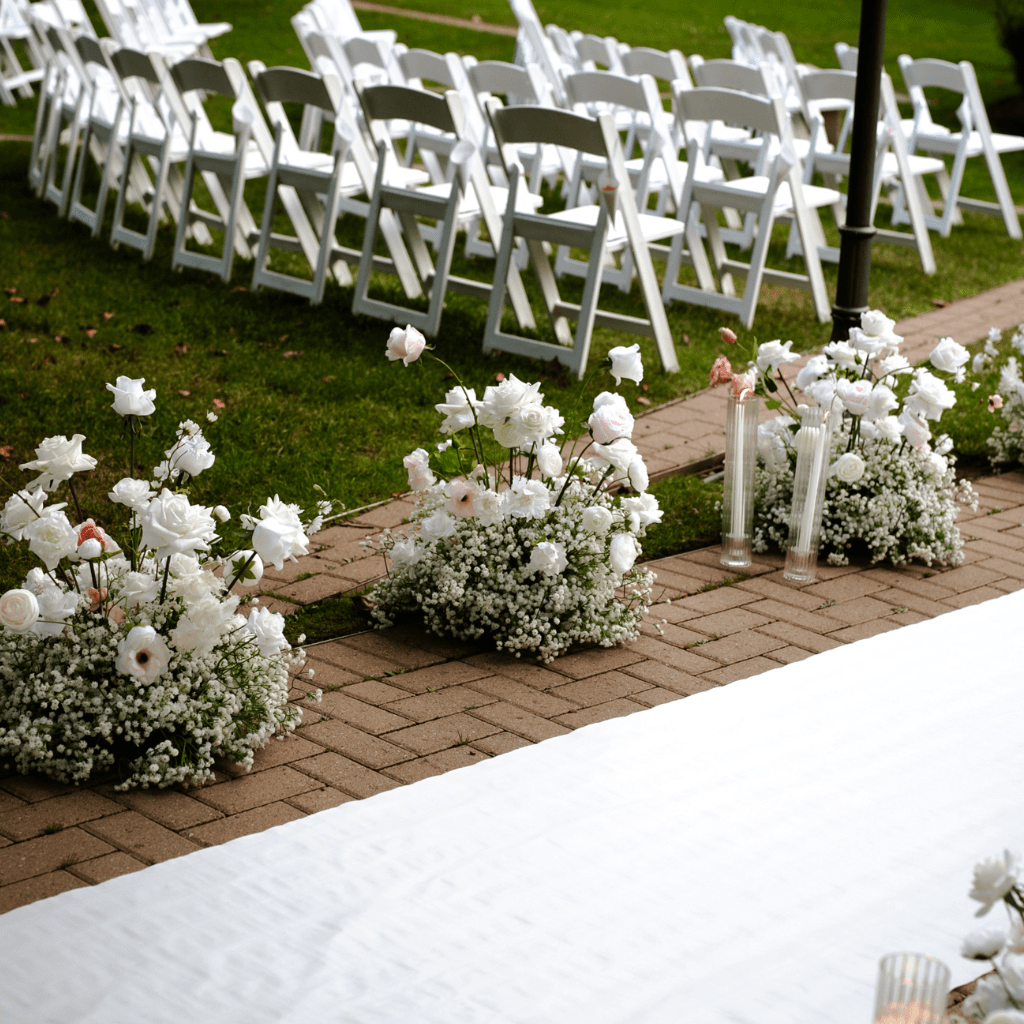
- Loose, romantic floral arrangements instead of stiff, formal ones
- Warm, ambient lighting rather than bright, modern fixtures
The goal is a space that feels like it's always been beautiful — not one that was heavily "styled" for a few hours.
Start With Restraint: The 80/20 Decor Rule
Most overdecorated weddings happen because couples try to fill every visible space.
A simple rule experienced planners use: 80% of your visual impact should come from 20% of your decor elements.
That means:
- Pick 2–3 "hero" moments (ceremony backdrop, sweetheart table, entrance)
- Let the natural setting do the rest of the work
- Avoid decorating every single surface out of habit
If a space already has natural beauty — like greenery, natural light, or architectural charm — you don't need to compete with it.
Choose a Focused Color and Material Palette
One of the fastest ways a wedding starts looking cluttered is an inconsistent palette.
How to keep it cohesive:
- Choose one dominant color, one accent color, and one metallic tone
- Repeat the same 2–3 materials throughout (linen, wood, glass, brass)
- Avoid mixing too many flower varieties — 3 to 4 types is usually enough
This consistency is what makes vintage weddings look "designed," even when the decor itself is minimal.
Let Nature Be Your Biggest Decoration
Garden weddings have a natural advantage: the setting is the decor.
Instead of adding more, highlight what's already there:
- Use trailing greenery instead of large floral installations
- Let natural light replace excessive string lighting
- Choose furniture that blends into the environment, not against it
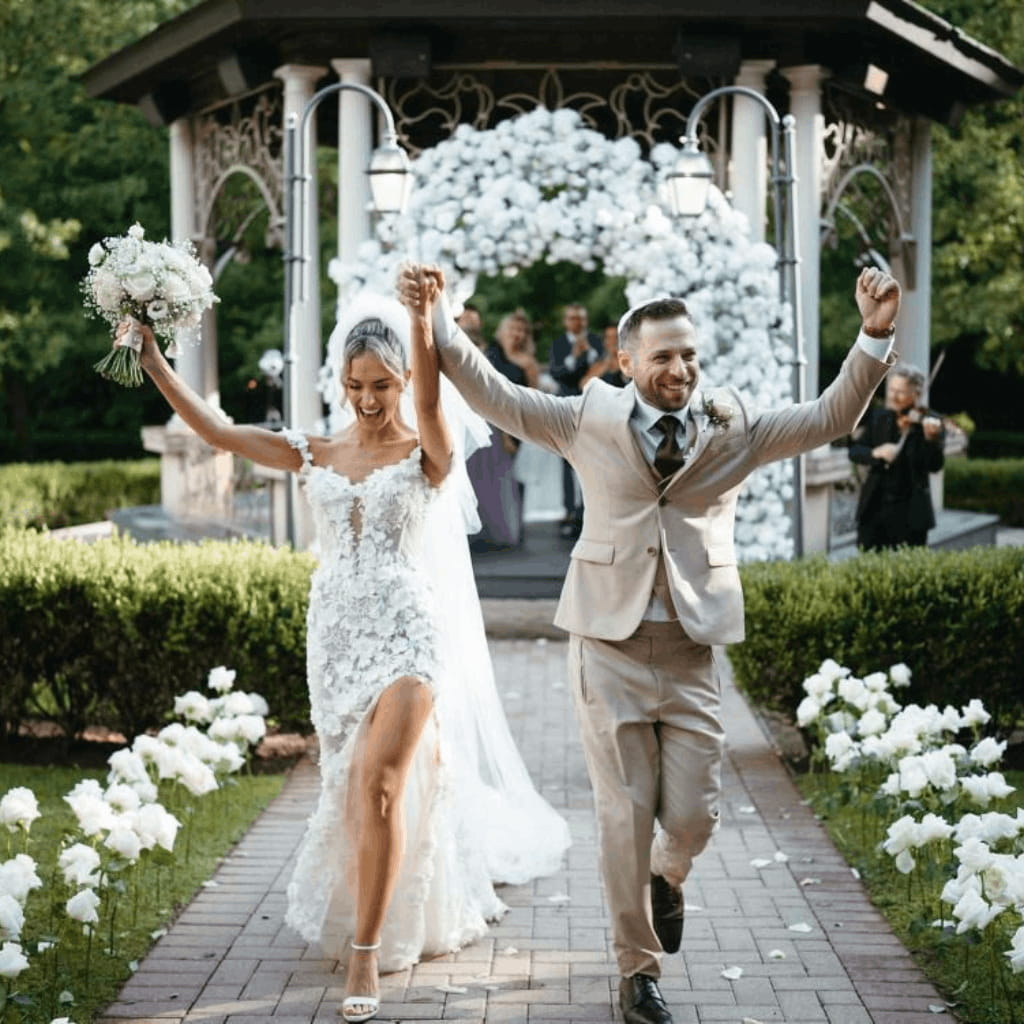
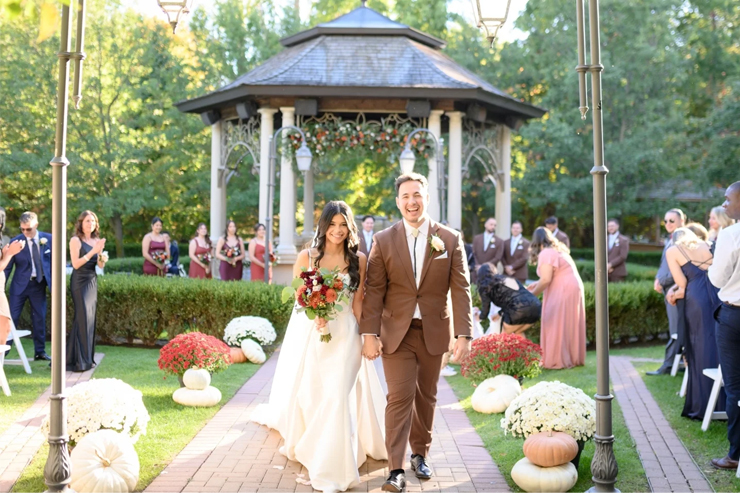
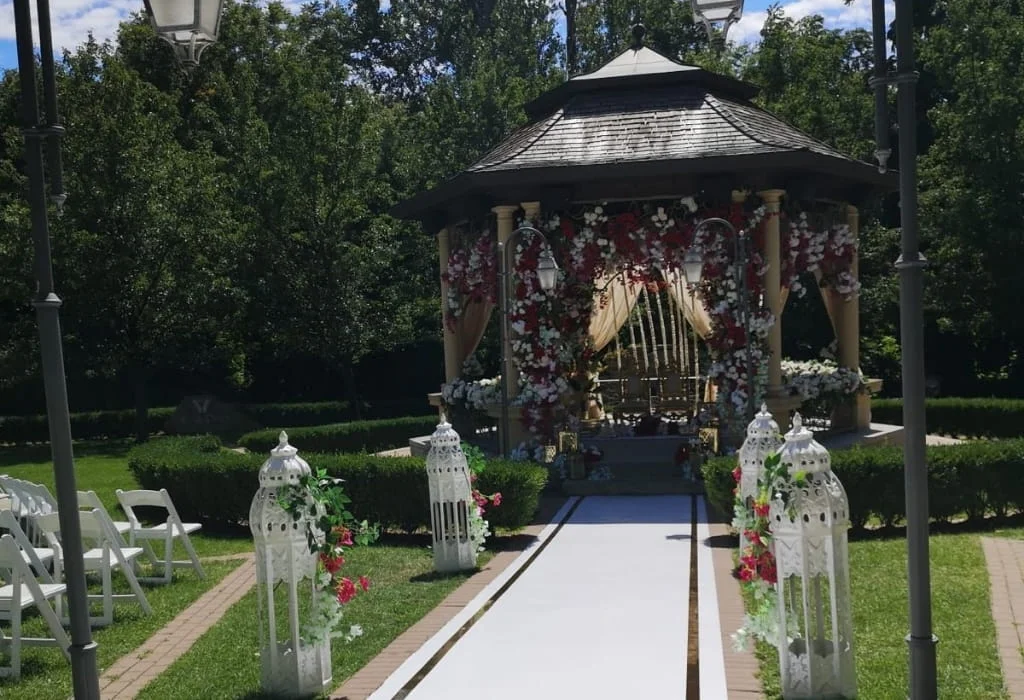
This is especially true in greenhouse-style or garden-inspired venues, where architecture and natural landscaping already create a romantic backdrop. Among wedding venues in Vaughan, Ontario, the ones that lean into this natural charm tend to need the least additional styling — and photograph the most timelessly. In spaces like these, the couple's job shifts from building elegance to framing it.
Vintage vs. Costume: Where to Draw the Line
There's a specific mistake that turns "vintage elegance" into something that feels theatrical instead of timeless.
It usually happens when decor starts telling a story that's too literal — old typewriters, antique suitcases stacked as decor, exaggerated props that feel more like a movie set than a wedding.
How to keep it elegant, not costume-like:
- Use vintage materials and tones, not vintage objects as props
- Choose one era to draw inspiration from — don't mix 1920s glam with 1950s florals with rustic farmhouse
- Ask of every item: "Does this feel like it belongs in this garden, or does it feel like a stage prop?"
If a detail feels like it's trying too hard to announce "this is vintage," it's usually a sign to simplify it.
Planning the Seasonal and Weather Side of a Garden Wedding
Garden-style weddings are shaped heavily by timing, so this deserves real planning — not an afterthought.
Best seasons for a vintage garden look:
- Late spring to early fall typically offers the most natural greenery and softest light
- Early evening ceremonies make the most of golden-hour lighting, which pairs beautifully with vintage tones
- Cooler months can still work well in enclosed garden-style or greenhouse settings, where the aesthetic holds up regardless of outdoor weather
Weather contingency basics:
- Always confirm whether your venue has a covered or indoor garden-style backup
- Ask how quickly a space can transition from outdoor to indoor setup if needed
- Keep decor materials weather-friendly — heavy paper and delicate fabrics can warp in humidity
A venue that blends indoor charm with a garden-like atmosphere removes most of this stress entirely.
Vintage Table Styling Without the Clutter
Table settings are where overdecorating happens most often.
A clean, elegant vintage table typically includes:
- A textured linen runner (not a fully covered tablecloth + runner + overlay)
- Mismatched but coordinated vintage-style glassware
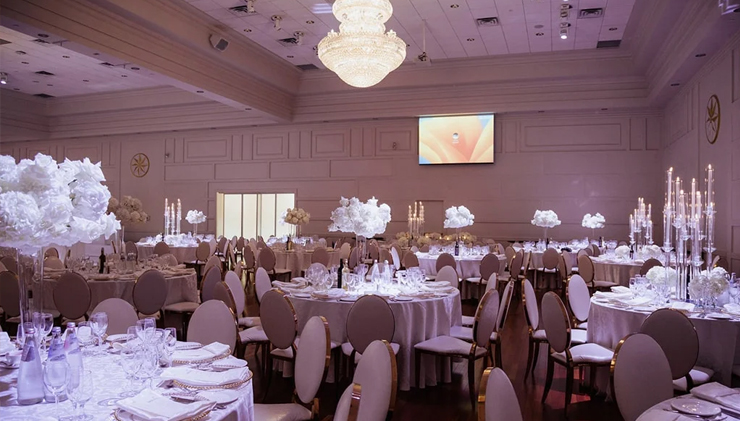
- Low, loose floral arrangements — never tall centerpieces that block conversation
- Candlesticks in varying heights, but same metal tone
- Menu cards or place cards in simple serif fonts
Avoid: stacking multiple table elements (chargers + runners + florals + candles + favors) all competing for space.
Lighting: The Most Underrated Elegance Tool
Lighting can make or break the vintage garden aesthetic.
Do:
- Use warm white lighting (2700K–3000K)
- Let natural sunset light guide evening ceremony timing
- Add soft uplighting to trees or structural features
Avoid:
- Cool white or blue-toned lighting
- Overly bright spotlighting that flattens the romantic mood
- Excessive fairy lights layered on top of florals and greenery
Signature Vintage Touches That Add Elegance, Not Excess
A few well-placed vintage details go much further than an entire theme.
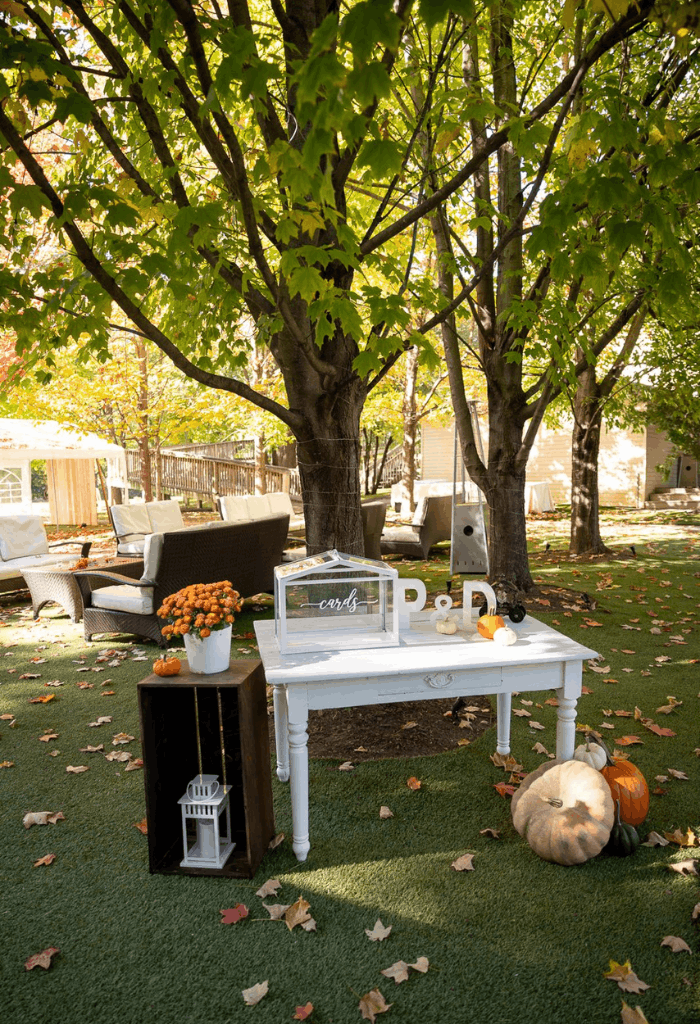
- A vintage-inspired seating chart displayed on an easel
- Heirloom-style cake stands
- A curated lounge corner with vintage furniture, used only in one area
- Handwritten-style calligraphy on signage
Pick 2–3 of these — not all of them.
Planning the Day-Of Flow for a Garden Setting
Even the most elegant decor falls flat if the day's flow feels disorganized. Garden weddings have a few flow points worth planning ahead.
Key transitions to map out:
- Ceremony to cocktail hour: Have a clear path so guests move naturally without crowding the ceremony space
- Seating changeover: If the same space transitions from ceremony to reception, confirm turnaround time with your venue in advance
- Light-dependent moments: Schedule photos and the ceremony itself around golden hour, then let the evening shift into warm ambient lighting for dinner
A well-planned flow keeps the romantic mood consistent from the first look to the last dance, rather than losing momentum during transitions.
Final Thoughts
An elegant vintage garden wedding isn't about how much you add — it's about how thoughtfully you edit. A few well-chosen details, a consistent palette, and a setting that's allowed to breathe will always look more refined than a space filled to the edges.
If you're picturing this kind of timeless, romantic setting for your own day, Ascott Parc Event Centre offers the natural charm and elegant backdrop that vintage garden weddings are built around — making it one of the most sought-after wedding venues in Vaughan, Ontario for couples who want beauty without excess.
Ready to see it in person? Book your private tour of Ascott Parc Event Centre today and start designing the elegant, understated wedding you've been imagining.
Frequently Asked Questions
1. How do I make my wedding look vintage without spending too much on decorations?
Focus on a few key spots like the entrance, the ceremony area, and the head table instead of decorating everywhere. Simple items like old-style glass jars, soft lighting, and one flower type repeated throughout can create a vintage look without a big decor budget.
2. What colors work best for a vintage garden wedding?
Soft, muted tones usually work best — think sage green, blush pink, ivory, and dusty blue. Sticking to two or three colors keeps everything looking clean and put-together instead of busy.
3. How many flowers do I actually need for a vintage look?
Less than most people think. A few loose, natural-looking arrangements placed in key areas will look more elegant than filling every table and corner with flowers.
4. What's the biggest mistake couples make when trying to go "vintage"?
Adding too many different props and themes at once — old frames, mismatched furniture, multiple lighting styles, and heavy florals all together. It ends up looking cluttered or costume-like instead of romantic. Picking one consistent style and repeating it works much better.
5. What time of year is best for an outdoor-style garden wedding?
Late spring through early fall generally gives the softest natural light and greenest surroundings. If you're set on a specific date outside that window, choosing a space that keeps a garden-like feel indoors solves most weather concerns.