
Ever walked into a networking event and immediately felt stuck at one table, unable to move around and actually meet people? The room is usually the reason.
A networking event needs a completely different setup than a conference or a seated dinner, and most venues aren't built with that difference in mind. Here's what to compare before booking a networking event venue in Toronto, so the room supports mingling instead of hindering it.
Networking Needs a Different Layout
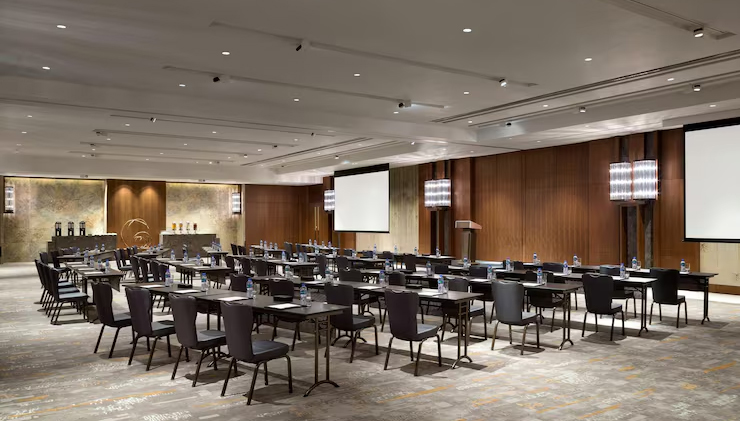
Conference-style seating is built for listening, not talking to strangers. Rows of chairs facing a stage naturally keep people seated, which is the opposite of what a networking event is trying to create.
What actually helps:
- Open floor plans that let people move freely between conversations
- Standing reception setups instead of fixed seating
- A natural flow between food stations, bars, and lounge areas, so people keep circulating
Capacity and Flow That Actually Works
Getting the balance right matters more than the guest count alone. A room that's sized well for the group keeps the energy comfortable, with enough space to move and enough people to keep conversations going.
A few things worth checking:
- How many people can comfortably stand and talk without feeling packed in
- Whether the room has natural pockets for smaller group conversations
- How entry and exit points are set up, so early leavers and late arrivals can move in and out smoothly
The right corporate networking event venue in Toronto should be able to tell you these numbers upfront, based on past events, rather than leaving you to guess from the room's square footage alone.
Conference vs. Networking: Two Formats
These two event types often get mixed up, but they need almost opposite room setups.
| Feature | Conference Format | Networking Format |
| Seating | Rows facing a stage | Open floor, minimal fixed seating |
| Goal | Focused listening | Movement and conversation |
| Layout | Structured, one direction | Flexible, multiple zones |
| Best for | Presentations, keynotes | Mingling, introductions |
Some events need both in a single evening, a short panel or keynote followed by a networking reception. A venue that can shift from a conference venue in Toronto setup to an open networking layout without a long reset saves a lot of planning stress.
Catering That Keeps Guests Moving
Heavy plated service rarely works for a networking event, simply because it naturally keeps people seated. A buffet-style setup keeps the room moving instead, letting guests serve themselves and get back to conversations.
Worth confirming with the venue:
- Dietary customization for a mixed guest list, including vegetarian, vegan, halal, and allergen-friendly options
- Buffet stations spread across the room, giving people a reason to circulate
- A simple bar service that keeps lines short and guests spread comfortably across the room
AV and Tech for a Smooth Start
Most corporate networking events still open with a few minutes of structure like a welcome, a short keynote, or opening remarks before the room shifts into open mingling.
For that part to go smoothly, check for:
- A working microphone and speaker setup for opening remarks
- Wi-Fi that can handle a full room of guests checking in, sharing contacts, or using event apps
- A layout where the opening segment doesn't require rearranging the whole room afterward
Branding and Sponsor Visibility
Corporate networking events are often tied to a brand or a sponsor, and the room supports that naturally, as part of the existing layout.
Look for a venue that offers space for:
- Signage near entrances and key gathering points
- A step-and-repeat backdrop for photos
- Sponsor tables placed where they'll naturally get good visibility as guests move through
Open layouts tend to support this better than fixed banquet seating, simply because guests pass by more spots as they move through the room. A venue that already understands this rhythm saves a lot of back-and-forth during setup.
Location and Accessibility Basics
A corporate networking event usually pulls guests from across the GTA, so getting there matters as much as the room itself.
- Easy highway access makes attendance easier for guests coming from different parts of the region
- Proximity to public transit widens who can realistically show up
- Parking that can handle a higher volume of individual arrivals, since networking events rarely bring guests in by bus or carpool the way larger group events do
Comparing Venues at a Glance
Before booking, it helps to compare venues side by side rather than relying on memory after a few tours.
| What to Compare | Conference Venue | Networking Venue | Hybrid Space |
| Layout | Fixed seating rows | Open floor plan | Convertible setup |
| Capacity flexibility | Limited | High | High |
| AV needs | Extensive | Minimal to moderate | Both |
| Catering style | Plated or buffet | Stations and passed items | Mixed |
Matching the Room to the Event
Choosing between venues comes down to matching what the event actually needs: open space for mingling, the right AV for a short opening segment, and a layout that won't box guests into rows meant for sitting still.
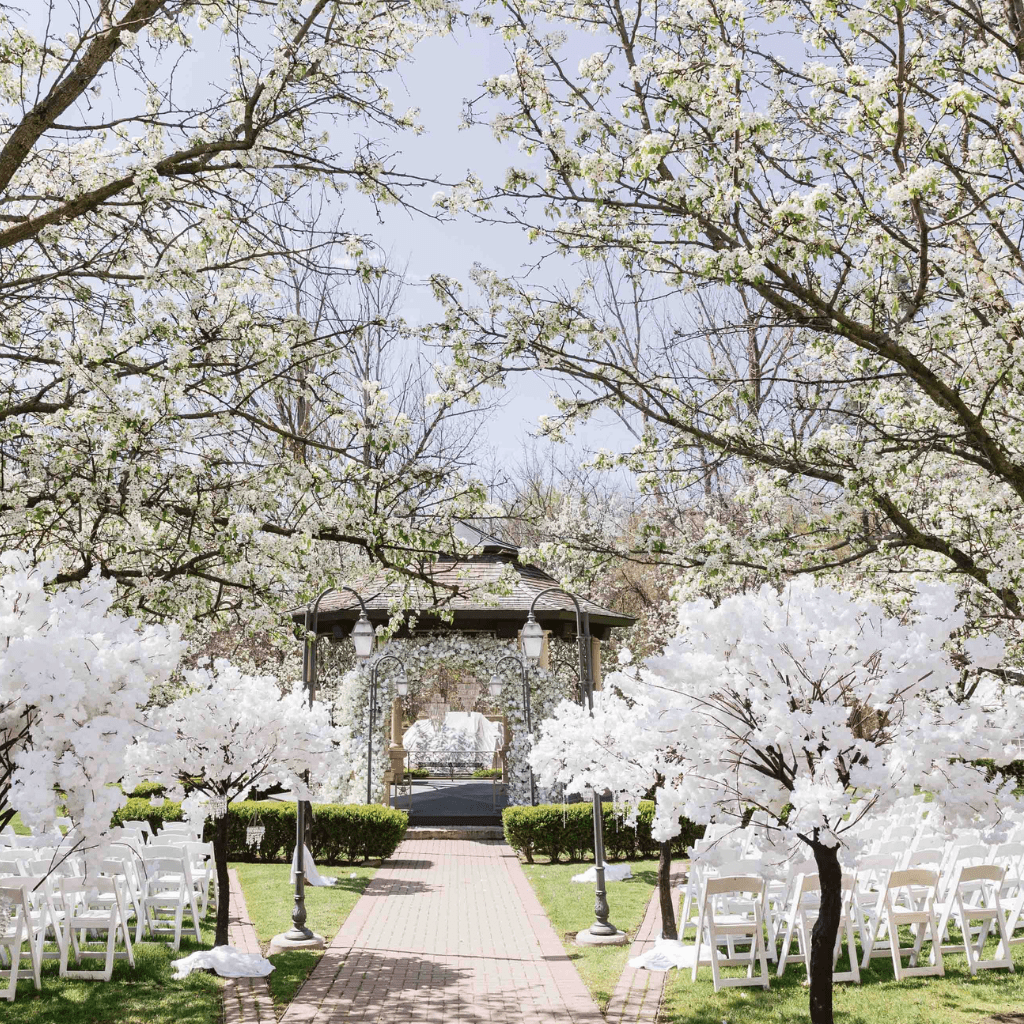
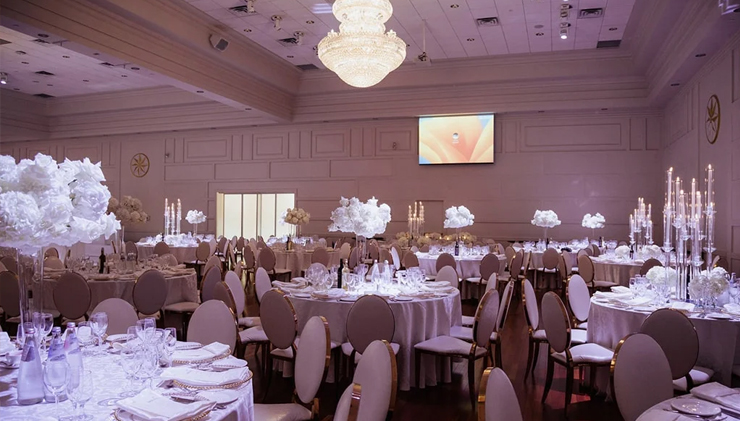
If you're comparing options for an upcoming networking event, it's worth touring a venue with your specific format in mind. Ascott Parc Event Centre offers a luxury corporate estate venue with a convertible layout.
Book a venue tour
Frequently Asked Questions
1. What's the difference between a conference venue and a networking venue?
A conference venue is typically set up with fixed seating facing a stage, built for listening. A networking venue uses an open layout designed for movement, conversation, and mingling between guests.
2. How many guests can a networking event venue in Toronto typically host?
This depends heavily on the space, but many venues comfortably host anywhere from 50 to 300+ guests for standing networking formats, with larger halls available for bigger events.
3. Do networking venues provide AV equipment for opening remarks?
Many venues include basic AV like a microphone and speaker system, though it's worth confirming this during booking since some venues treat it as a separate add-on.
4. Can one venue host both a structured presentation and open networking?
Yes, many venues can shift from a seated or presentation setup to an open networking layout within the same event, especially if the format is planned in advance.
5. What food service works best for a standing networking event?
Buffet-style stations tend to work best, since they let guests serve themselves and keep moving. It's also worth confirming dietary customization options for a mixed guest list in advance.