
Scrolling through outdoor wedding photos is the easy part. The harder part is knowing what actually makes one venue work better than another, and what questions to ask before you book.
This guide walks through what to look for, what it typically costs, how to decorate the space, and how to plan around weather, so you can compare your options and make the choice that fits your day.
What Makes an Outdoor Wedding Venue Work
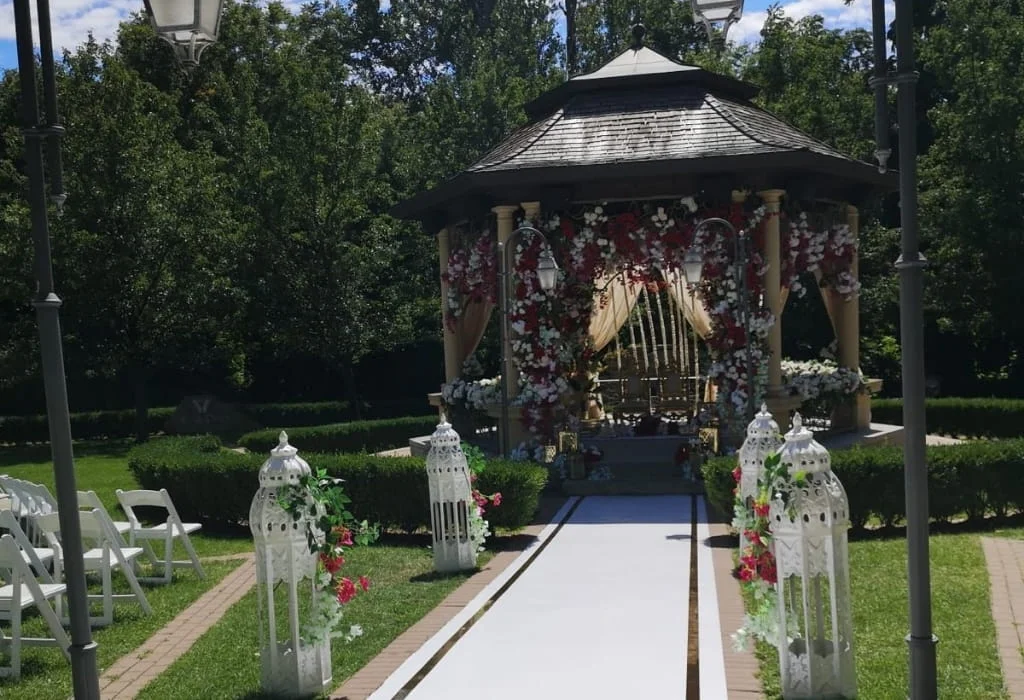
Outdoor wedding settings vary more than they look in photos, and that difference matters once you're actually planning around it. An outdoor wedding venue with a gazebo adds-up to its charm, however, here are a few additional things worth checking:
- Capacity around the setting: a garden lawn or covered structure frame the ceremony beautifully and provide comfortable seating space to your guests.
- Standalone booking or part of a larger property: luxury outdoor wedding venue offers a space both connected to gardens and ballrooms for the rest of the day
- Natural landscaping: a well-maintained setting often needs less added décor, which can be a genuine cost saver
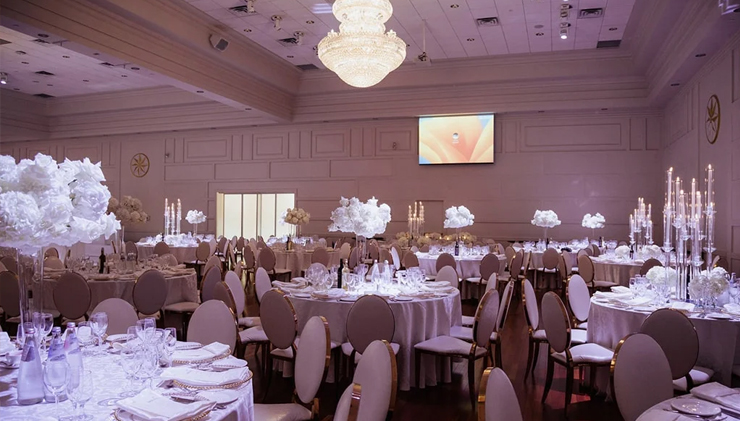
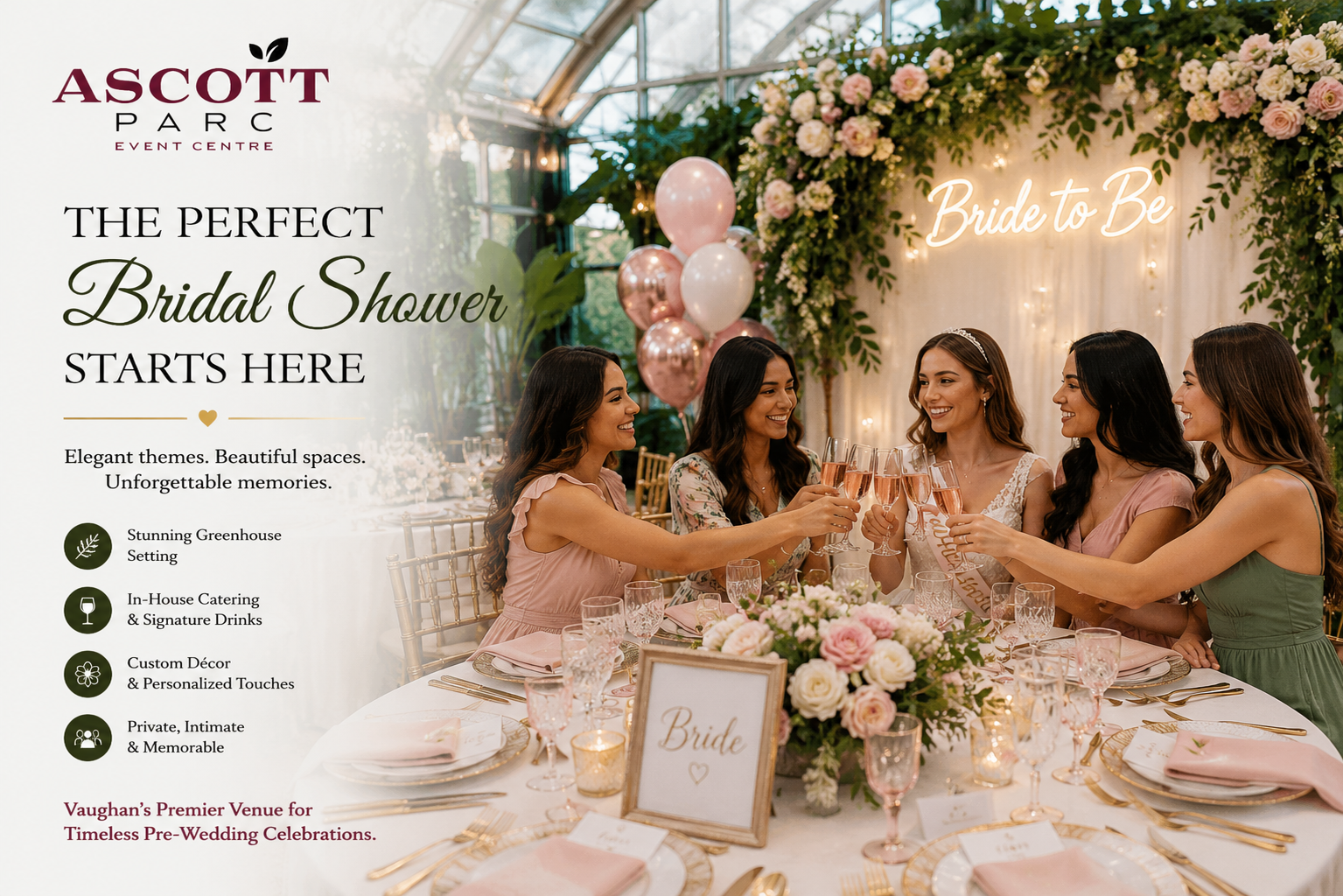
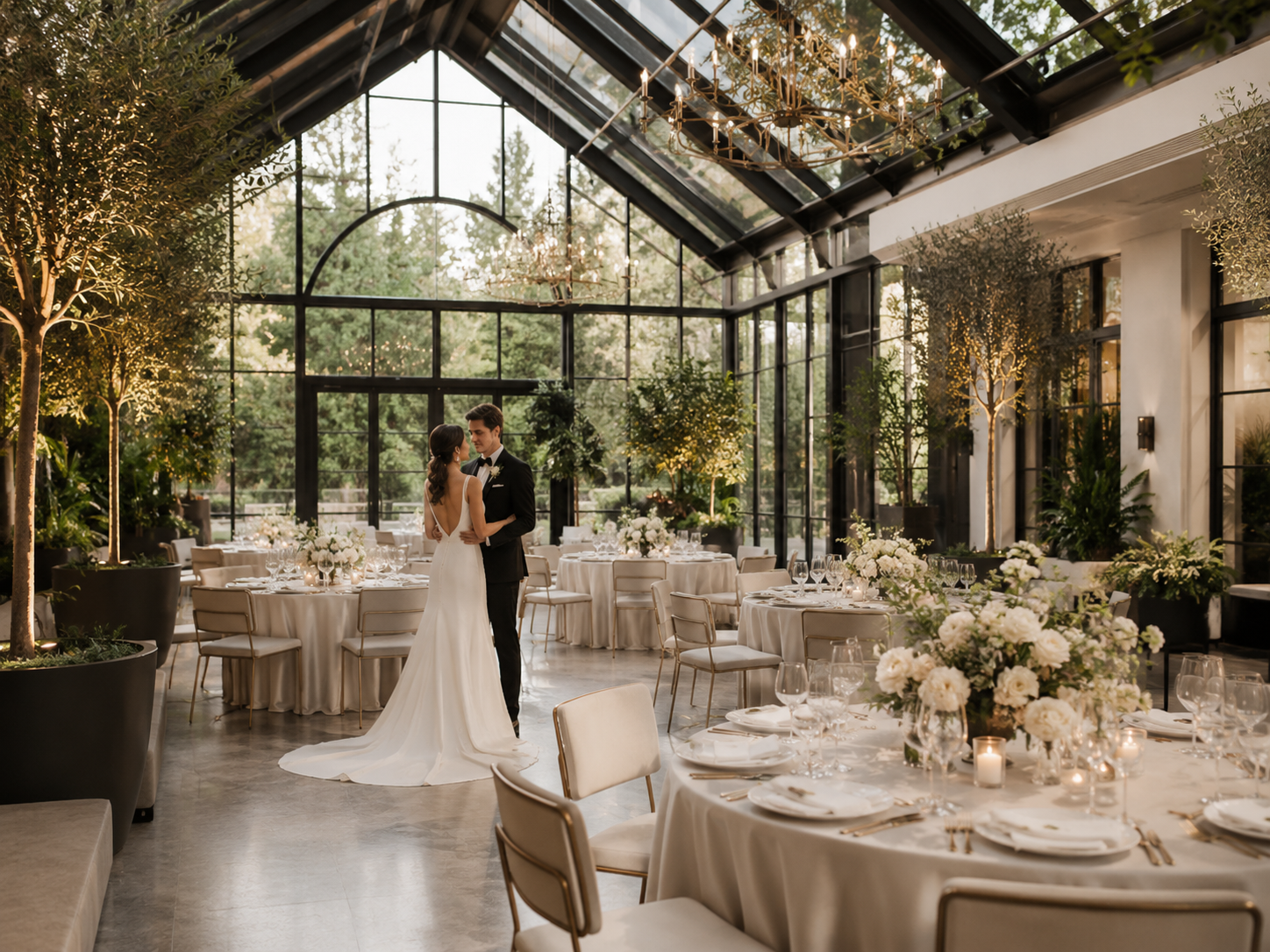
A nature-inspired outdoor venue with manicured gardens is often a preferred choice for couples. It offers a perfect photogenic backdrop without any extra decor. Some lean toward a European-style setting with formal hedging and stonework, while others prefer a more relaxed garden wedding venue feel, or a climate-controlled greenhouse space that still feels open and natural; Ascott Parc Event Centre offers all of it.
What an Outdoor Wedding Venue Typically Costs
Pricing for outdoor wedding spaces varies by region, season, and guest count. Our quotes follow a similar structure, even if the numbers differ.
| Usually Included | Often an Add-On |
| Structure or space use for the ceremony | Draping or fabric styling |
| Guest Count | Floral arches or garland |
| Culinary assortment | Extended event hours |
A few questions worth asking for a clear, itemized quote:
- Is the outdoor space priced separately from the reception space?
- Does the quote include setup and teardown, or is that extra?
- Are there seasonal rate differences for peak summer dates?
Getting these answers upfront makes it easier to compare venues fairly, rather than guessing at what a lower number might be leaving out.
How to Make Your Ceremony Space Enchanting
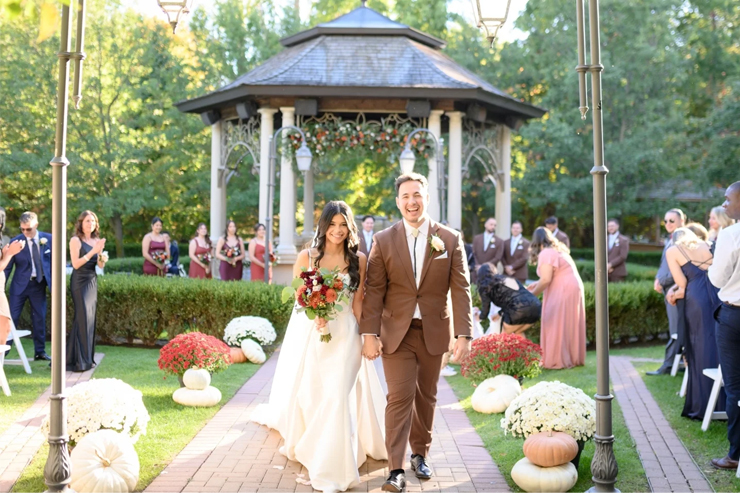
Some couples like to dress a garden arch or gazebo fully in florals and fabric, layering in soft lighting and lush greenery until the whole space feels lifted out of the everyday. Others let the structure or natural setting do most of the work, adding only a few subtle accents so the enchantment comes from the surroundings rather than the styling.
For couples planning for an outdoor wedding venue setup, Ascott Parc offers an open garden space with a beautiful gazebo & structure decor that blends into a perfect canopy.
- Minimal styling: a garland along a beam or arch, simple chair markers, and letting natural wood, stone, or ironwork show through
- Fuller styling: draping, string lights or lanterns, an arch overlay, and coordinated floral clusters at the entry points
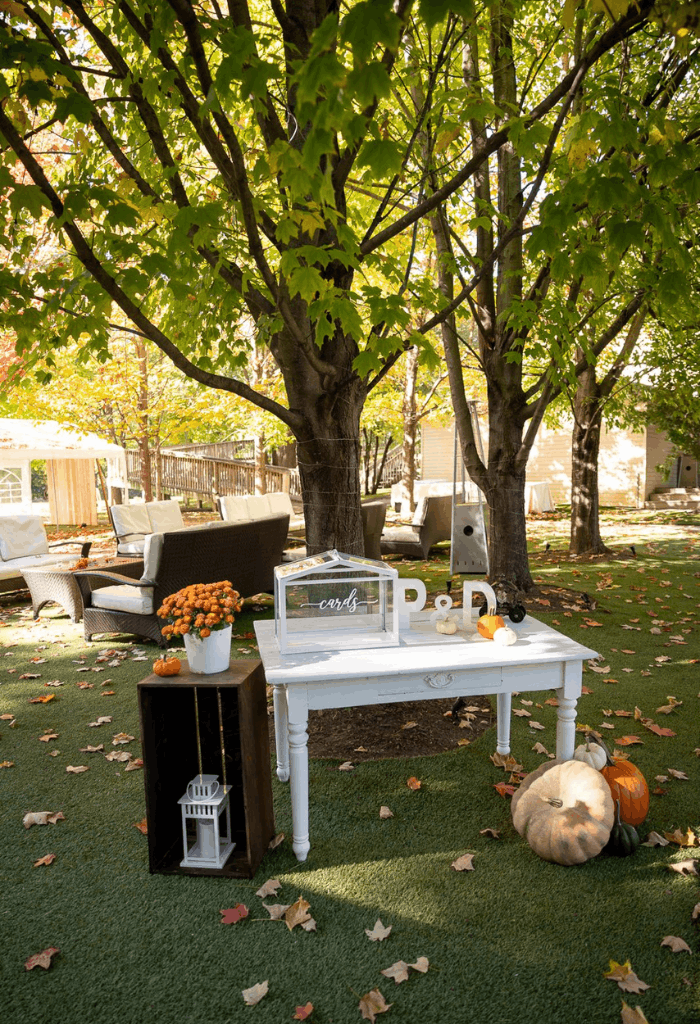
- Seasonal décor: bright, layered blooms tend to suit summer ceremonies, while warmer tones and simpler greenery often fit an early autumn date
Some venues also feature a standout element nearby, for example, a crystal fountain setting in the event venue, or a greenhouse's glass structure can add a touch of magic as a natural secondary photo backdrop without adding to your décor budget. Neither approach is more "correct" than the other. It really comes down to the atmosphere you're going for and what the space already offers.
Planning an Outdoor Wedding Around Summer
Summer remains a popular season for outdoor ceremonies across Canada; long daylight hours and warm temperatures give couples more flexibility with timing.
A few things to plan around:
- Shade and heat: check what natural or added shade is available for guests seated further from the ceremony space
- Guest comfort: fans, water stations, or shaded seating areas can make a real difference on a hot afternoon
- Evening lighting: if your ceremony runs closer to sunset, ask how the venue handles lighting once natural light fades
Late spring through early autumn tends to offer the most predictable outdoor conditions in most parts of Canada, though every region has its own patterns; it's worth checking the venue amenities closer to your date.
Choosing the Right Setting for Your Outdoor Wedding
An outdoor wedding venue really comes down to a handful of choices. How the space is set up, how the menu is curated, what's included in the price, how you want to decorate it, and how well the venue handles a shift in weather- all of these matter.
At Ascott Parc, we offer an outdoor wedding venue with indoor backup to celebrate your big day with all joy. Our garden, conservation greenhouse, gazebo, and unpartitioned ballrooms are all built around to make it a luxury wedding venue.
Book a tour with us to plan a hassle-free wedding ceremony!
Frequently Asked Questions
Q1. How many guests can typically be seated at an outdoor ceremony space?
This varies widely by venue, but many gazebo or garden settings comfortably accommodate 50 to 150 guests nearby, with some larger properties hosting several hundred across the wider outdoor space.
Q2. Is an outdoor ceremony usually cheaper than an indoor one?
It depends, while a gazebo or garden setting can reduce décor costs due to natural landscaping, pricing depends heavily on the venue, season, and what's included in the rental itself.
Q3. What happens if it rains on an outdoor wedding day?
Most venues with proper weather planning offer an indoor or covered alternative, such as a greenhouse-style space or ballroom, so the ceremony can move smoothly without major disruption.
Q4. Can a gazebo or garden space be decorated for a specific wedding theme?
Yes, most outdoor ceremony spaces can be styled to match a theme, from minimal and natural to fully draped and floral. It's worth asking the venue about any styling restrictions in advance.
Q5. What's the best time of year for an outdoor wedding in Canada?
Late spring through early autumn tends to offer the most reliable weather across most regions, though exact timing depends on your local climate and personal season preference.