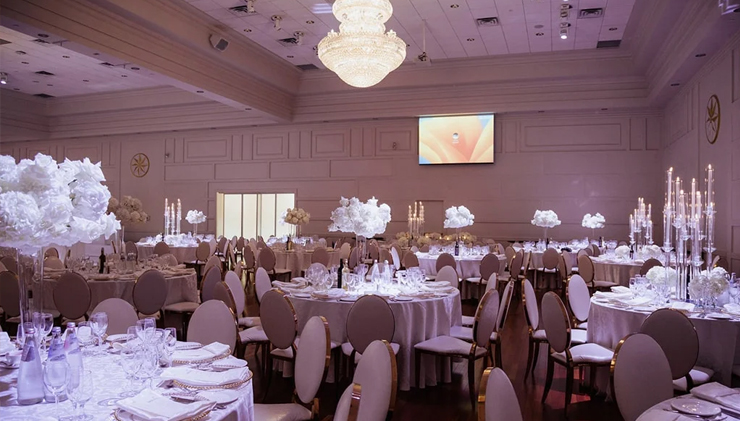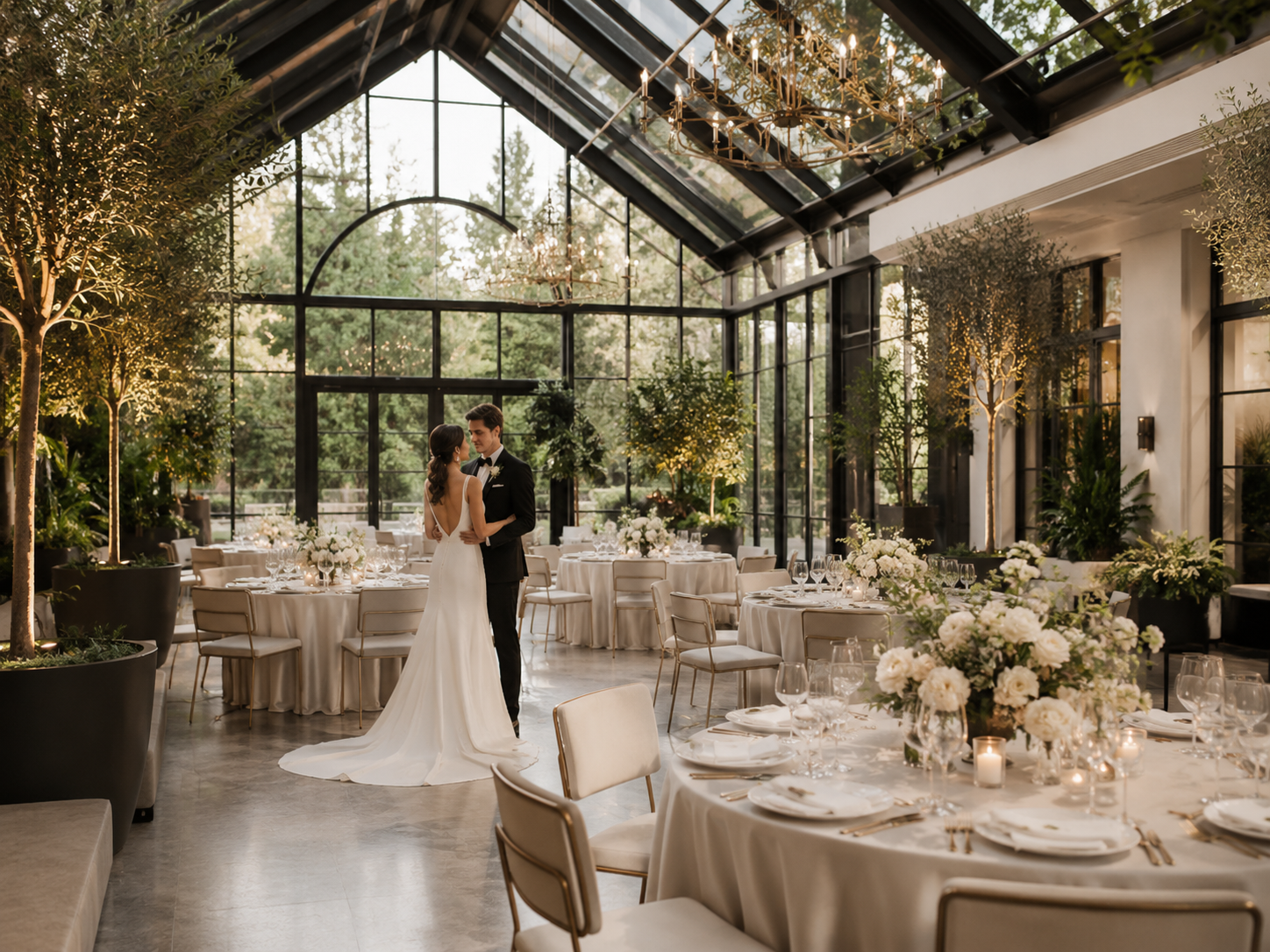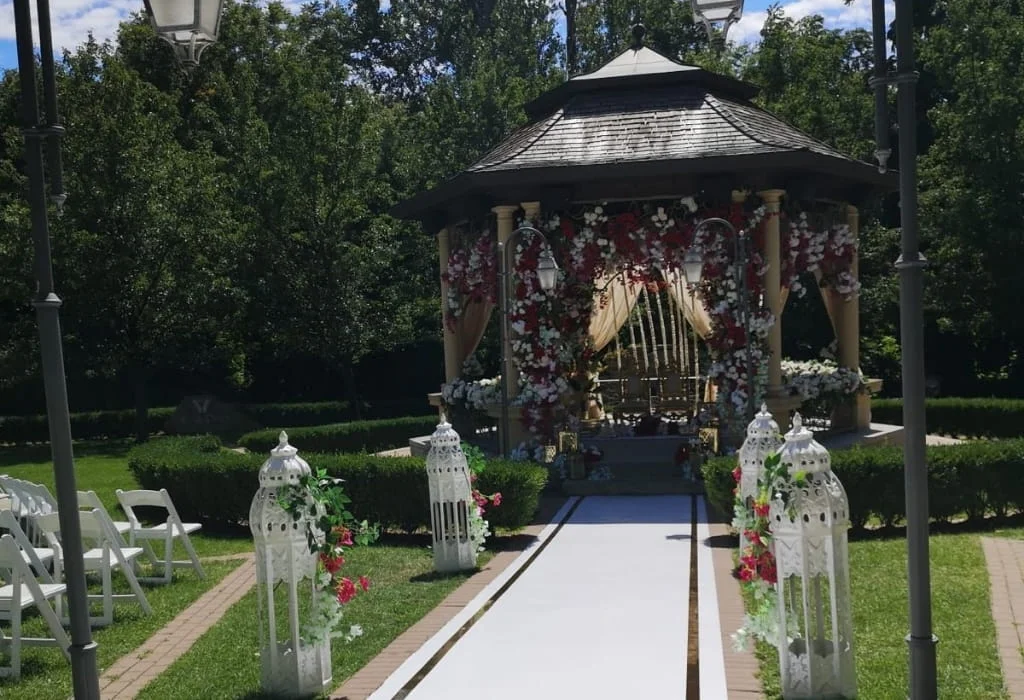

Booking a wedding venue is one of the biggest decisions in the entire planning process. For Indian weddings especially, the venue has to do more than look good in photos — it has to handle multi-day functions, large guest counts, elaborate décor, live catering, and cultural rituals without a single hiccup.
If you're searching for a wedding venue in Vaughan, this guide breaks down exactly what to check before you sign that contract.
Why Indian Weddings Need Specialized Venues
A typical Indian wedding isn't one event — it's several. Mehndi, Sangeet, Haldi, the wedding ceremony, and the reception each come with their own layout, lighting, and logistical needs.
A generic banquet hall in Vaughan built for standard receptions often can't flex across these different formats. What you need is a venue built to handle scale, ritual space, and cultural nuance in the same building.
1. Capacity and Layout Flexibility
Guest lists for Indian weddings frequently run into the hundreds. Before booking, confirm:
- Maximum seated capacity vs. maximum standing capacity
- Whether the hall can be divided or combined for smaller functions like Sangeet
- Ceiling height for mandap structures and stage backdrops
- Floor space for a baraat procession, including entry points wide enough for a dhol group and horse or vehicle
An event space in Vaughan with movable partitions gives you far more freedom to customize the flow of a multi-function wedding.
2. Catering Flexibility
Food is central to Indian celebrations, and venues that restrict your catering options can limit authenticity.
What to ask:
- Is outside catering allowed, or is it an in-house-only policy?
- Can the kitchen support live cooking stations (chaat counters, tandoor, dosa stations)?
- Is there a separate space for a Jain or vegetarian-only menu setup?
- What is the kitchen's capacity for large-batch cooking without delays?
A venue that welcomes specialized Indian caterers tends to deliver a more authentic guest experience than one pushing a fixed in-house menu.
3. Decor and Vendor Policies
Indian wedding décor is elaborate — think mandaps, floral entrances, drape ceilings, and personalized lighting design.
Check whether the venue:
- Allows outside décor vendors or requires preferred vendors only
- Has weight and rigging restrictions for hanging installations
- Provides enough setup time before the event (Indian décor setups can take 6–10+ hours)
- Charges additional fees for late-night teardown
Setup Time Matters More Than People Think
Many couples underestimate how long décor installation takes. Always confirm the exact number of hours included before the event starts, not just the event slot itself.
4. Parking and Guest Accessibility
Large weddings mean large volumes of guests arriving around the same time.
- Confirm on-site parking capacity
- Ask about valet options for elder guests
- Check accessibility features — ramps, elevators, accessible washrooms
- Review proximity to hotels for out-of-town guests
Convenience here directly affects the guest experience, especially for elderly relatives attending multiple functions across several days.
5. Acoustics and AV Support
Live dhol performances, DJ sets, and traditional music need proper sound handling.
Look for:
- In-house sound systems with adjustable acoustics for different hall sizes
- Support for live band setups, not just DJ equipment
- Dedicated space for a stage or performance area
- Lighting packages that support both traditional and modern themes
Poor acoustics can flatten even the most well-planned Sangeet performance, so this is worth testing in person, not just asking about on a call.
6. Multi-Day Booking and Transition Support
Since Indian weddings often span two to four days, ask if the venue offers:
- Multi-day package discounts
- On-site changeover support between functions (Haldi to Sangeet, for example)
- Storage space for décor items between events
- A dedicated day-of coordinator familiar with Indian wedding sequencing
A venue experienced in South Asian weddings will already have a transition process — you shouldn't have to design one from scratch.
7. Transparent Pricing Structure
Hidden costs are one of the most common complaints in wedding planning. Before booking, get written clarity on:
- Base rental cost vs. add-on charges (security, overtime, cleaning)
- Deposit and cancellation policy
- Whether alcohol service fees or corkage charges apply
- Overtime rates if the celebration runs past the contracted hours
Ask for an itemized quote rather than a single bundled number — it's the easiest way to compare venues fairly.
Quick Pre-Booking Checklist
Before finalizing your wedding venue in Vaughan, walk through this list:
- Capacity matches your final guest count with buffer room
- Outside catering and specialized menus are permitted
- Décor setup time is clearly stated in the contract
- Parking and accessibility are confirmed for all guest groups
- Sound and lighting equipment is tested, not just described
- Multi-day logistics are mapped out with the venue team
- [ ] Full pricing breakdown is provided in writing
Book a Venue That Understands the Assignment
Choosing the right space isn't just about square footage — it's about finding a team that already understands how Indian celebrations flow from one function to the next. That's exactly where Ascott Parc Event Centre stands apart, offering the scale, flexibility, and cultural understanding that multi-day Indian weddings demand.
Ready to lock in your dates before they're gone? Reach out to Ascott Parc today and turn your wedding vision into a celebration your guests will talk about for years.
Frequently Asked Questions
1. How far in advance should I book a hall for an Indian wedding? Most couples book six months to a year ahead, especially for peak wedding season weekends. Popular dates get taken quickly, so early booking also gives you better negotiating power on pricing and add-ons.
2. Can I bring my own caterer for Indian food, or do I have to use the venue's kitchen? It depends on the venue's policy. Some allow outside caterers freely, others require you to use approved vendors only, and some charge an outside catering fee. Always get this in writing before signing.
3. How much time do I actually get for decoration setup before the event? This varies a lot by venue, but elaborate Indian décor (mandaps, drapes, floral walls) usually needs anywhere from 6 to 10 hours. Ask for the exact setup window included in your package, not just the event time.
4. What happens if my event runs past the booked time? Most venues charge an overtime fee, billed either per hour or in set increments. Ask upfront what the rate is and whether there's a grace period before charges kick in.
5. Do I need a separate space for Haldi or Mehndi, or can it happen in the same hall? Many venues can convert the same hall between functions using different layouts, lighting, and seating. If you want simultaneous setups for multiple functions, ask specifically whether the venue has multiple rooms or partition options.