

Choosing an event venue with in-house catering in Vaughan can make planning noticeably smoother. The food, the service and the space all come from one team. But “in-house catering” can mean very different things from one venue to the next. A little homework before you sign helps you protect your budget, your guests’ experience and your own peace of mind.
What In-House Catering Changes for Event Planning
In-house catering means the venue’s own culinary and service team prepares and serves your menu. No outside caterer needs to be vetted, scheduled or squeezed into an unfamiliar kitchen. Planning becomes a conversation with one team instead of several.
One Timeline for Kitchen and Event Service
When the kitchen and the event team work from the same schedule, the evening runs with fewer surprises. Courses are timed to your programme, not to a separate vendor’s availability.
- Food arrives hot because the kitchen is steps away
- Service adjusts instantly if a speech runs long
- Setup, serving and cleanup follow one coordinated plan
Fewer Vendor Handoffs
Every outside vendor adds a delivery window, a set of requirements and another person to brief on the day. With one team in charge of food and space, there is simply less to coordinate, and one clear point of contact if something needs to change.
Compare Menus Against the Actual Guest List
A beautiful sample menu means little if it doesn’t suit the people eating it. Review the options against your real guest list, not an imagined average one.
Dietary and Cultural Needs
Ask what the kitchen can prepare confidently, and how it keeps dishes separate. Common needs include:
- Vegetarian and vegan dishes that feel like a proper course, not an afterthought
- Halal, kosher-style, Jain or other culturally specific preparation
- Gluten-free, dairy-free and nut-free options
- Allergy handling, including how cross-contact is prevented in the kitchen
Collect dietary details with your RSVPs so the kitchen has final numbers well ahead of time.
Children’s Meals and Late-Night Service
Younger guests rarely want a multi-course plated dinner. Ask whether smaller portions or a dedicated children’s menu is available. For longer celebrations, find out whether late-night snacks or a second food service can be added once the dancing begins.
Understand What the Catering Quote Includes
Two quotes that look similar on paper can differ widely once you read the details. Ask for everything in writing.
Staff, Service Time and Beverage Options
Clarify how many servers and bartenders are included, and for how many hours. Then check how beverages are handled:
- Is the bar open, limited or based on consumption?
- Are non-alcoholic options such as mocktails, coffee and tea included?
- What happens to service charges if the event runs past the agreed time?
Taxes, Gratuities and Minimum Guarantees
Per-person pricing is often shown before extras. In Ontario, HST (currently 13%) applies to most event services, and some venues add a service charge or suggest a gratuity on top. Ask for a final, all-in estimate.
Also ask about the minimum guarantee, which is the lowest guest count you are billed for even if fewer people attend. Find out when your final headcount is due and whether it can be adjusted later.
Ask How Food Service Fits the Event Flow
Great catering isn’t only about taste. It’s about timing, and an experienced in-house team should be able to walk you through the evening step by step.
Cocktail Hour to Dinner
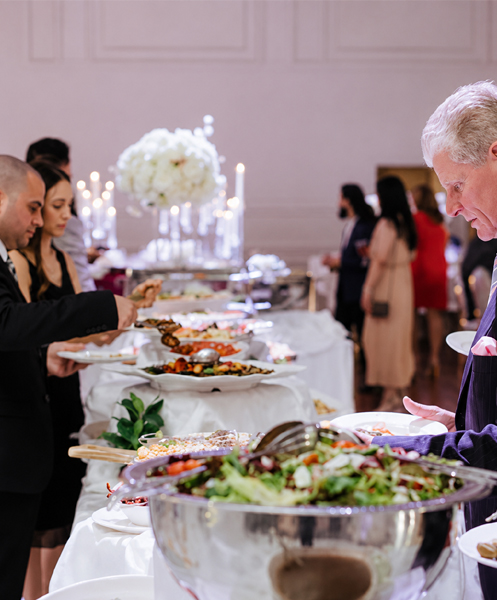
Ask how guests move from canapés to the dining room. Are passed appetizers served during cocktails? Is dinner plated, buffet or family-style? Each format changes the pace and the feel of the night. Plated service feels formal and polished, while buffets and shared platters feel more relaxed and encourage mingling.
Speeches, Dessert and Dancing
The middle of the evening is where timing matters most. Confirm:
- When courses pause for toasts and speeches
- When dessert and coffee are served
- How the team clears tables so the dance floor opens smoothly
Clarify Outside Food and Specialty Vendor Rules
Even venues with in-house catering sometimes allow exceptions, but policies vary. Ask plainly:
- Can we bring a cake or desserts from a bakery we love?
- Is there a cake-cutting or plating fee?
- Are cultural sweets or specialty dishes allowed from outside?
- Do outside food vendors need insurance or proof of certification?
Getting these answers early prevents awkward conversations close to the event date.
Questions to Ask at a Venue Tour
Bring this short checklist to your tasting and walkthrough:
- Can we taste the menu before committing?
- What is the final guest count deadline?
- How is the kitchen organised for dietary needs and allergies?
- What does the quote include, and what costs extra?
- How long does service run, and what are the overtime rules?
- Is there convenient parking for guests, including accessible options?
- What is the plan if the weather changes or timing shifts?
Explore Catering and Event Spaces at Ascott Parc
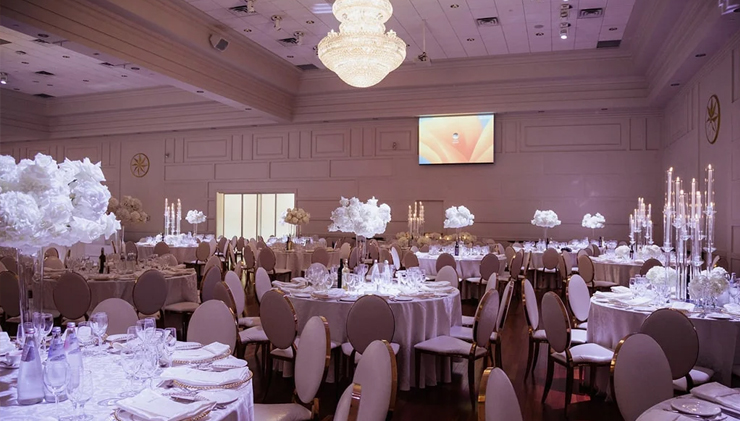
The right venue should feel effortless from the first tour to the last dance. At Ascott Parc, a greenhouse-style event centre in Vaughan, your menu, your service and your setting are planned together, and guests arrive with the ease of underground parking.
Ready to see how it all comes together? Book your private tour of Ascott Parc today and plan an evening your guests will talk about long after the last course.
Frequently Asked Questions
1. Is in-house catering always included in venue rental?
Not always. Some venues include catering in a package, while others charge for the space and food separately. Ask for a clear breakdown so you know what the rental covers and what is billed on top.
2. Can a menu be adjusted for dietary restrictions?
In most cases, yes. Good kitchens can adapt dishes for vegetarian, vegan, halal, gluten-free and allergy-related needs. Share these details early so the team can plan ingredients and preparation properly.
3. Can we bring an outside cake or specialty food?
Many venues allow it, but with conditions. There may be a cake-cutting fee, or rules about who serves it. Always get the policy in writing before you order.
4. How far in advance should we book a venue with catering?
Popular dates, especially weekends in spring, summer and fall, can fill up a year or more ahead. For smaller events or weekdays, a few months may be enough. Booking early gives you more choice of dates and menu options.
5. Can we taste the food before we book?
Many venues offer a tasting once you are serious about booking, though some charge a small fee or limit it to confirmed clients. Ask upfront. A tasting is the best way to check flavour, portion size and presentation.